
Instructing a Neurology Expert Witness: A Solicitor’s Practical Guide

Instructing a Neurology Expert Witness: A Solicitor’s Practical Guide
Navigating claims involving neurological injury or illness presents some of the most complex challenges in medico-legal practice. The intricate nature of the brain and nervous system means that causation, prognosis, and treatment pathways often require highly specialist interpretation. For legal professionals, insurers, and Court of Protection practitioners, the expertise of a consultant neurology expert witness is indispensable. This guide outlines practical considerations for instructing such an expert, highlighting key clinical and legal principles.
Understanding Neurological Conditions in a Medico-Legal Context
A deep understanding of specific neurological conditions is paramount. The expert’s role extends beyond diagnosis to assessing functional impact, aetiology, and potential for recovery.
- Traumatic Brain Injury (TBI): Cases frequently involve cognitive impairment, post-concussion syndrome (PCS), and the impact of diffuse axonal injury. A neurology expert witness will assess severity, often using the Glasgow Outcome Scale (GOS), and articulate the behavioural sequelae, which can profoundly affect daily life and capacity. Establishing causation between trauma and symptoms, particularly with pre-existing vulnerabilities, remains challenging.
- Stroke: In clinical negligence, expert opinion focuses on intervention timeliness. Delay in thrombolysis, particularly within critical treatment windows, may breach duty and affect rehabilitation outcomes, measured by the modified Rankin Scale (mRS).
- Neurodegenerative Diseases: For conditions like dementia and Parkinson’s disease, experts consider diagnostic frameworks, typical progression, and capacity implications under the Mental Capacity Act 2005, relevant in Court of Protection proceedings.
- Epilepsy: Medico-legal analysis may involve seizure risk frameworks (e.g., DVLA driving regulations) and accident causation. Differentiating epileptic seizures from functional neurological disorder (FND) or syncope is often key.
- Functional Neurological Disorder (FND): A common source of dispute. Experts apply diagnostic criteria, identifying positive signs like Hoover’s sign, to distinguish FND from organic disease or malingering. Objective symptom validity assessment is crucial.
- Spinal Injury: Experts classify injuries using the ASIA classification, detailing function loss, care needs, and long-term prognosis. This informs quantum calculations, particularly for high-value claims involving tetraplegia or paraplegia. The expert may also assess autonomic dysreflexia risks and secondary complications like pressure sores or respiratory issues, which significantly impact life expectancy and quality of life.
The Expert’s Role in Neurological Litigation
The neurology expert witness provides impartial, independent opinion, adhering to their overriding duty to the court under CPR Part 35. Their expertise is crucial across various report types:
- Screening and Merits Reports: Early assessment of potential breach of duty or causation.
- Breach of Duty Reports: Applying the Bolam and Bolitho tests to determine if a healthcare professional acted in accordance with a responsible body of medical opinion.
- Causation Reports: Addressing whether a proven breach caused or materially contributed to harm, considering authorities like Bailey v Ministry of Defence [2008] and Williams v Bermuda Hospitals Board [2016]. The ‘but for’ test remains central.
- Condition and Prognosis Reports: Detailing current neurological status, future trajectory, and specific needs. Life expectancy reports are often prepared alongside these.
- Joint Statements: Facilitating agreement or clear articulation of disagreement between experts, as required by CPR Part 35.12 and 35.14.
Assessing Capacity and Consent
Many neurological conditions impact decision-making capacity. An expert applies the functional test under the Mental Capacity Act 2005, assessing the individual’s ability to understand, retain, weigh, and communicate a decision. This is vital for litigation capacity and Court of Protection matters. Experts may also address informed consent, particularly in light of Montgomery v Lanarkshire Health Board [2015], focusing on what a reasonable patient would want to know about treatment risks.
Navigating Causation and Prognosis Challenges
The complexity of the nervous system makes causation and prognosis particularly challenging. Establishing causation requires detailed understanding of symptom timelines and events. Pre-existing conditions may necessitate careful apportionment. The ‘eggshell skull’ rule, as established in Smith v Leech Brain & Co [1962], dictates that a defendant must take their victim as they find them, meaning a minor injury could trigger severe neurological outcomes in susceptible individuals.
Prognosis requires significant experience. For example, post-concussion syndrome symptoms can be protracted, and long-term effects of diffuse axonal injury may not be immediately apparent. The expert must provide evidence-based assessment of future limitations, recovery potential, and care needs, critical for accurate quantum calculations and adhering to Limitation Act 1980 principles.
Practical Steps for Instructing a Neurology Expert Witness
Effective instruction ensures timely and robust evidence:
- Early Engagement: Early instruction provides insights into medical merits, guiding case strategy.
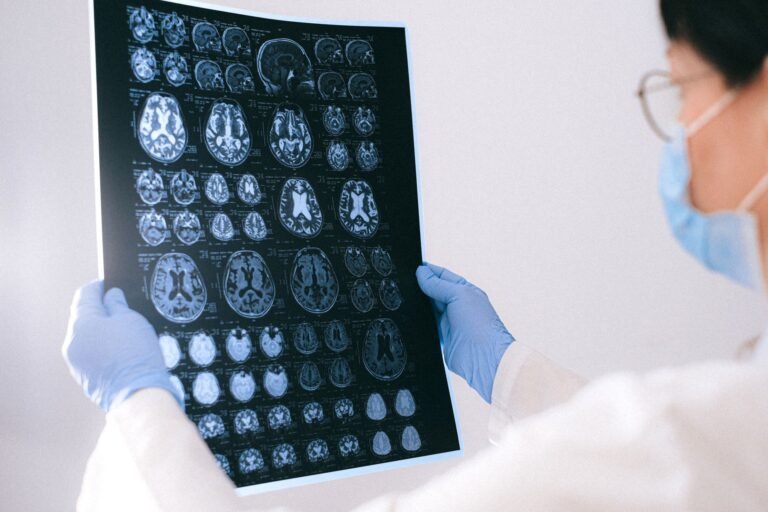
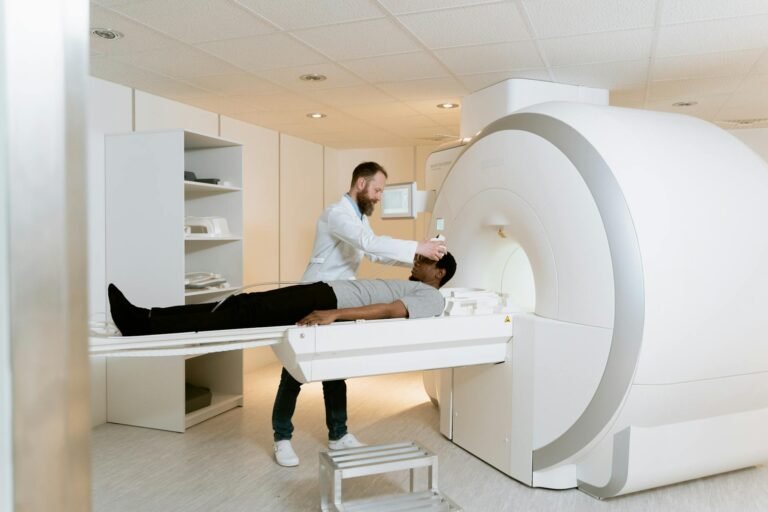
- Comprehensive Records: Provide all relevant medical records, imaging (MRI, CT, EEG), GP notes, hospital records, and witness statements. Organised bundles facilitate efficient review.
- Clear Letter of Instruction: A precise Letter of Instruction, outlining specific questions on breach, causation, condition, and prognosis, ensures CPR Part 35 compliance.
- Single Joint Expert (SJE) Consideration: Consider an SJE for less contentious matters to manage costs and streamline the process.
- Expert Experience: Select an expert with established medico-legal reporting experience and understanding of court procedures. Their ability to articulate complex concepts clearly for a lay audience is essential.
The instructing solicitor should ensure the expert understands their overriding duty to the court and is familiar with legal tests like Bolam, Bolitho, Montgomery, and causation principles from cases like Bailey v MoD and Williams v Bermuda Hospitals Board.
For claims involving neurological issues, the input of a highly experienced neurology expert witness is often determinative. Their ability to dissect complex clinical scenarios, apply legal tests, and articulate nuanced prognoses provides clarity for successful litigation. Choosing an expert who is clinically proficient and adept in medico-legal processes ensures CPR-compliant, reliable reports that contribute effectively to case resolution.
This article is for general informational purposes only and does not constitute legal or medical advice. Readers should seek appropriate professional guidance.