An epilepsy expert witness offers critical neurological insight for litigation concerning seizure disorders.
Our specialists provide comprehensive medico-legal evidence covering diagnosis, causation, treatment issues, and the functional consequences of epilepsy.
This page details the extensive services available to solicitors seeking clarity on complex neurological conditions and their wide-ranging implications in legal contexts.
We address intricate areas such as disputed diagnosis, injury-related onset following trauma, medication management challenges, and the long-term functional impact on individuals.
A dedicated seizure disorder expert witness can provide nuanced opinions essential for your case.
We assist in accurately framing the clinical picture for the courts, ensuring that all medical aspects are clearly articulated and understood by legal professionals.
The Role of an Epilepsy Expert Witness in Litigation
Our medico-legal reports provide detailed neurological expert evidence tailored for legal proceedings involving epilepsy and seizure disorders.
Solicitors receive clear, comprehensive assessments on critical issues, including distinguishing epileptic from non-epileptic events, evaluating post-traumatic epilepsy following head injury, and assessing misdiagnosis or inappropriate treatment.
These reports meticulously address causation, prognosis, current seizure control, and future risks, offering a precise clinical perspective for your case.
We also focus extensively on the functional impact on daily life, such as capacity for work, driving restrictions, and overall independence, ensuring all relevant aspects are covered for a robust legal argument.
An experienced epilepsy expert witness can clarify complex medication management and treatment adequacy for the courts, presenting findings in a concise and understandable format.
Every comprehensive epilepsy medico legal report is crafted to support the legal process effectively, facilitating informed decision-making.
Required Information for Neurological Assessment
To facilitate a thorough neurological assessment, solicitors should provide all pertinent medical records and relevant documentation.
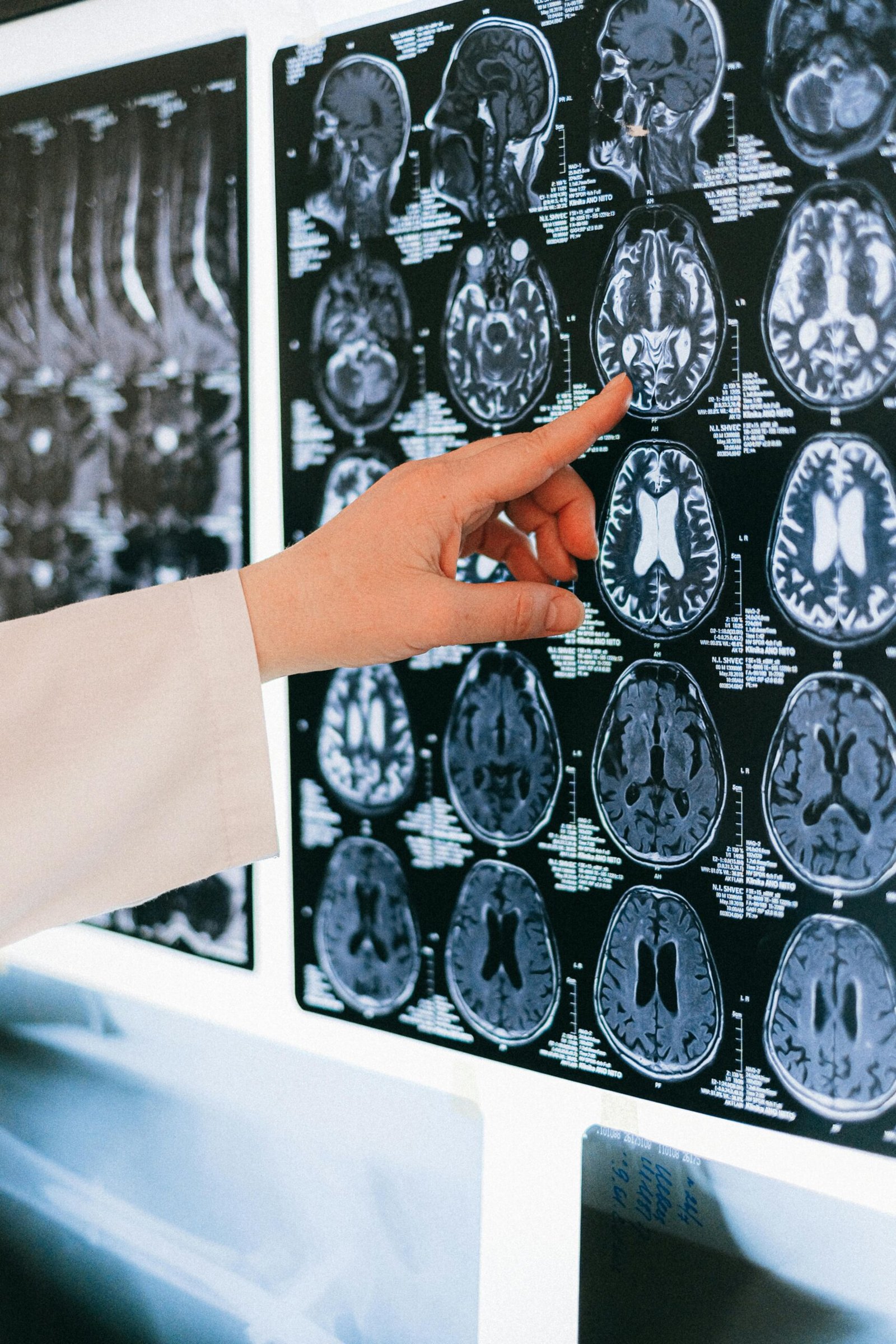
This typically includes a comprehensive clinical history, results from diagnostic imaging such as MRI and CT scans, detailed EEG findings, and any relevant treatment notes, medication lists, or rehabilitation reports.
Comprehensive documentation enables our epilepsy expert witness to conduct a detailed and impartial review, ensuring an accurate and complete understanding of the claimant’s condition.
We rely on objective medical evidence to form our expert opinions, addressing the clinical picture accurately and supporting robust expert evidence.
Early and complete provision of all available information significantly assists in expediting the report preparation process, preventing unnecessary delays and ensuring a timely submission.
Process and Professional Standards
The process for instructing our experts involves an initial review of the case brief and all relevant medical documents.
This is followed by a detailed assessment, which may include a clinical examination if appropriate.
We operate with strict adherence to professional and ethical standards, providing impartial and independent expert opinions, always within the scope of our neurological specialism.
Our commitment is to present complex medical information in an accessible and unbiased manner, making it directly relevant to legal questions of breach, causation, condition, and prognosis.
While we strive for efficiency and timely delivery, the specific timeline for reports depends on the complexity of the case, the volume of evidence requiring review, and the completeness of the provided inputs.
A dedicated epilepsy expert witness ensures every medico-legal report reflects current best practice in neurology and aligns with court expectations for expert evidence.
Our aim is always to provide clarity.
For more information about our team’s qualifications and approach, please visit our
About Us page.
Understanding the legal framework for expert witnesses is crucial; further guidance is available from official sources such as
GOV.UK on Giving Expert Evidence.
Additionally, for insights into neurological practice and professional standards, refer to resources from reputable bodies like the
Royal College of Physicians.
Specialist neurological evidence on seizure diagnosis, causation, treatment issues and the functional consequences of epilepsy in litigation.
Overview
Epilepsy cases can involve disputed diagnosis, seizure causation, injury-related onset, medication issues or long-term safety and functional implications. The distinction between epileptic and non-epileptic events may also be central.
Neurological expert evidence helps frame the clinical picture accurately and address prognosis, treatment reasonableness and day-to-day implications such as work, independence and risk.
Common Medicolegal Issues
Whether events are epileptic seizures or another presentation.
Post-traumatic epilepsy following head injury.
Misdiagnosis, delayed diagnosis or inappropriate treatment.
Prognosis, seizure control and future risk.
Functional impact on work, driving and independence.
Medication management and treatment adequacy.
How Expert Evidence Assists
A neurologist can explain epilepsy diagnosis, likely cause, treatment pathway and future implications in clear clinical terms that are relevant to breach, causation, condition and prognosis. Expert medico-legal evidence can also help clarify whether the events are epileptic seizures, post-traumatic epilepsy or another presentation, and what the likely long-term impact is on work, driving, independence and day-to-day safety.