Neurologist vs Neuropsychologist: Which Expert Does Your Case Need?
Neurologist vs Neuropsychologist: Which Expert Does Your Case Need?
In abuse injury litigation, the distinction between a neurologist and a neuropsychologist is not merely academic—it is a critical determinant of the strength and admissibility of medico-legal evidence. Both disciplines address brain function, but their methodologies, clinical frameworks, and legal applications differ fundamentally. For solicitors acting in civil claims, CICA matters, or group litigation involving alleged abuse, selecting the appropriate expert witness can mean the difference between a robust, trauma-informed assessment and a report that fails to meet the evidential threshold under CPR Part 35 or the Limitation Act 1980.
This article clarifies the roles of neurologists and neuropsychologists in abuse injury claims, explores their relevance to key legal tests, and provides practical guidance for instructing solicitors to ensure that expert evidence is both clinically rigorous and legally persuasive.
Clinical Context: Brain Function in Trauma
Abuse—whether physical, sexual, psychological, or institutional—can result in a spectrum of neurological and neuropsychological sequelae. The distinction between the two disciplines lies in their focus:
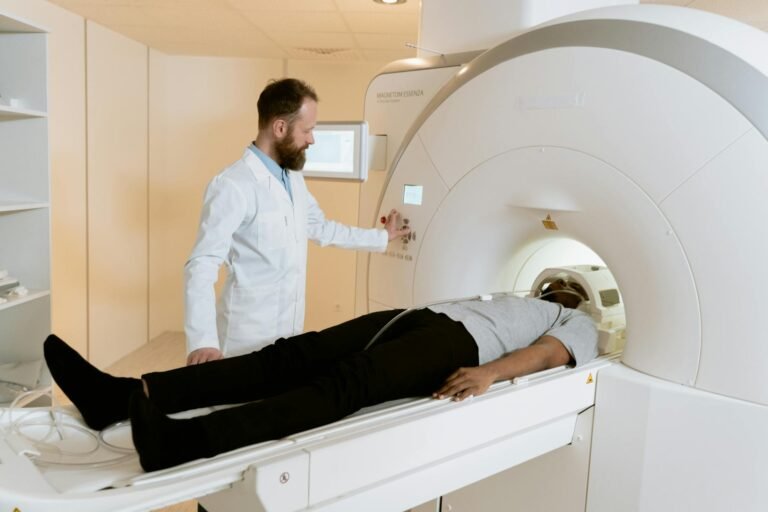
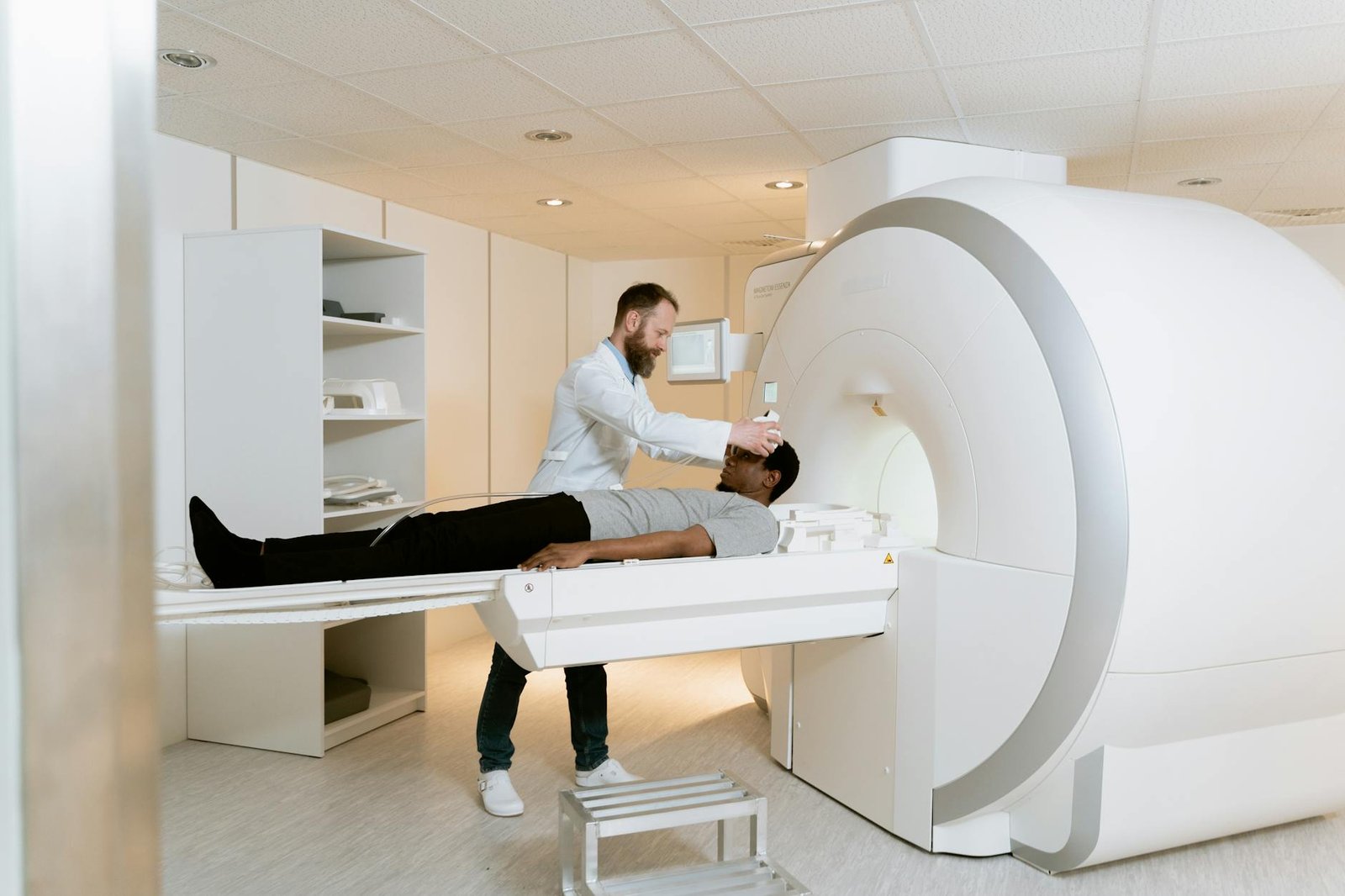
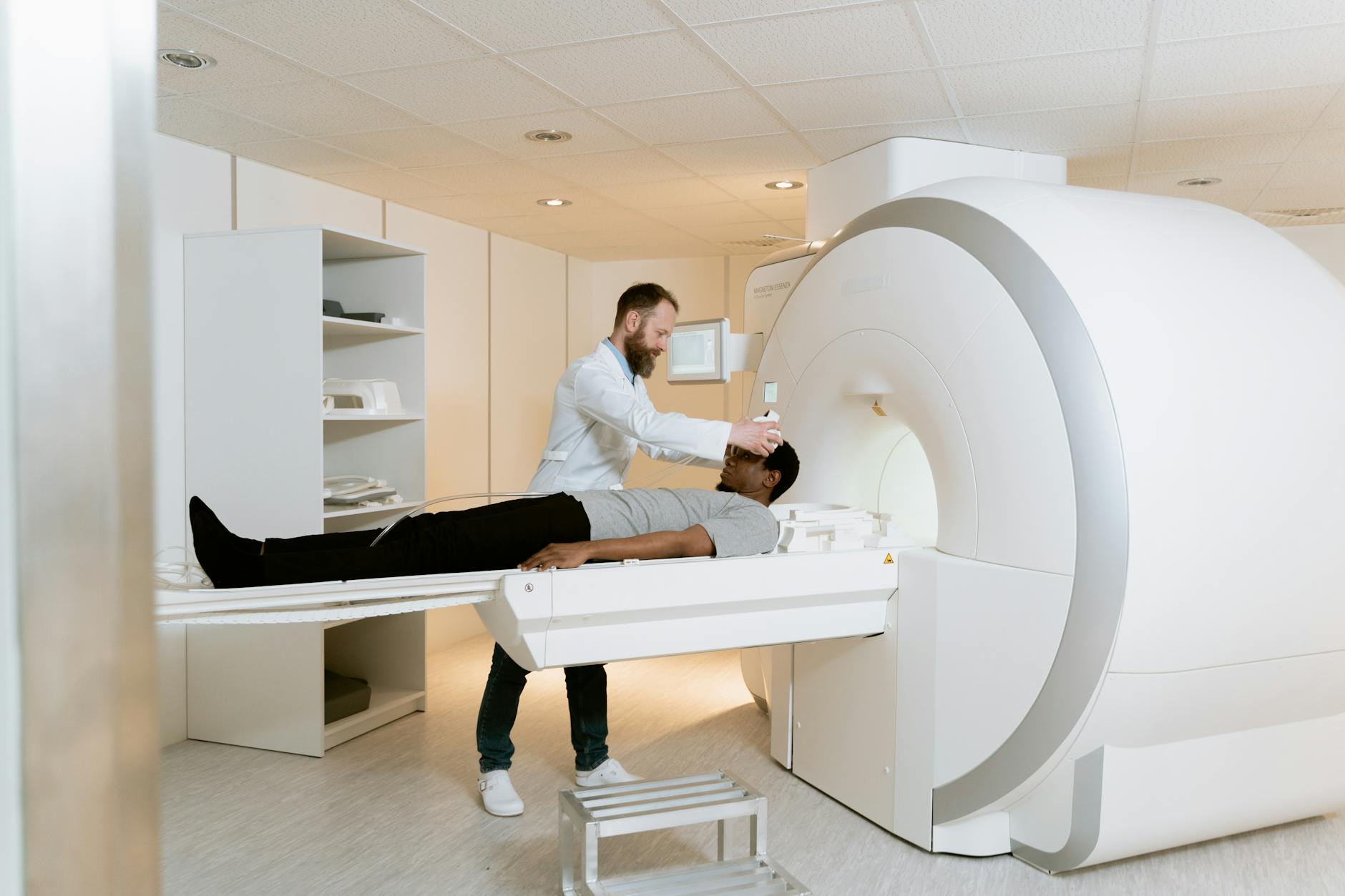
- Neurology is a medical specialty concerned with the diagnosis and treatment of disorders of the nervous system, including the brain, spinal cord, and peripheral nerves. Neurologists assess structural and physiological integrity through clinical examination, neuroimaging (e.g., MRI, CT), electrophysiological studies (e.g., EEG), and laboratory investigations. In abuse injury claims, neurologists may be instructed where there is suspected physical brain injury, such as traumatic brain injury (TBI) from assault, hypoxic-ischaemic damage, or neurological complications of chronic stress (e.g., functional neurological disorder).
- Neuropsychology is a branch of clinical psychology that examines the relationship between brain function and behaviour. Neuropsychologists assess cognitive, emotional, and behavioural consequences of brain dysfunction using standardised psychometric tools, clinical interviews, and behavioural observations. In abuse injury claims, neuropsychologists are typically instructed to evaluate the cognitive and psychological impact of trauma, including memory deficits, executive dysfunction, attentional impairment, and emotional dysregulation—particularly in cases of complex PTSD (ICD-11) or developmental trauma.
It is widely recognised in trauma-informed casework that abuse can lead to both neurological and neuropsychological sequelae. For example, a survivor of repeated physical assault may sustain a structural brain injury (requiring neurological assessment) alongside cognitive and emotional impairments (requiring neuropsychological evaluation). The instructing solicitor should consider whether the claimant’s presentation suggests:
- Structural or physiological brain pathology (neurologist);
- Cognitive, emotional, or behavioural dysfunction in the absence of overt structural damage (neuropsychologist); or
- A combination of both, necessitating multi-disciplinary input.
Legal Relevance: Which Proceedings and Which Stage?
The choice between a neurologist and a neuropsychologist depends not only on the clinical presentation but also on the legal context of the claim. Key considerations include:
Civil Claims for Personal Injury
In civil claims for abuse-related injury, the claimant must establish that the alleged abuse caused the harm complained of (causation) and that the harm is sufficiently severe to warrant compensation (quantum). The Limitation Act 1980 may also be engaged, particularly in historic abuse cases, where the court must consider whether it is equitable to disapply the primary limitation period under Section 33 (see A v Hoare [2008] UKHL 6).
- Liability and Causation Reports: Where the claimant alleges neurological injury (e.g., TBI from assault), a neurologist may be instructed to opine on the mechanism of injury, the likelihood of causation, and the prognosis. In cases involving cognitive or emotional dysfunction without structural damage, a neuropsychologist may address causation by linking the claimant’s presentation to the alleged abuse, taking into account factors such as developmental trauma, attachment disruption, and the impact of adverse childhood experiences (ACEs).
- Quantum and Care Needs Reports: Neuropsychologists are frequently instructed to assess care needs, loss of earnings capacity, and future treatment requirements in cases involving cognitive or emotional impairment. Their reports may include psychometric testing (e.g., WAIS-IV, WMS-IV, TOMM for symptom validity) and recommendations for rehabilitation or support. Neurologists may contribute to quantum reports where physical neurological deficits (e.g., epilepsy, motor impairment) are present.
CICA Claims
The Criminal Injuries Compensation Authority (CICA) Scheme provides tariff-based compensation for mental injury, including PTSD, depression, and anxiety. The Scheme’s mental injury tariffs are structured around severity and duration of symptoms, and neuropsychological evidence is often pivotal in establishing the appropriate band. A neuropsychologist’s report may include:
- Diagnostic formulation under ICD-11 or DSM-5;
- Psychometric assessment of symptom severity (e.g., PCL-5 for PTSD, PHQ-9 for depression);
- Opinion on the link between the alleged abuse and the claimant’s presentation, taking into account delayed disclosure and betrayal trauma theory;
- Prognosis and treatment recommendations.
Neurologists are rarely instructed in CICA claims unless there is a physical neurological injury (e.g., TBI) that falls outside the mental injury tariff framework.
Group Litigation and Institutional Abuse
In group litigation involving institutional abuse (e.g., Various Claimants v Barclays [2020], Armes v Nottinghamshire [2017]), the distinction between neurological and neuropsychological evidence becomes particularly salient. Systemic failures—such as those involving safeguarding breaches or vicarious liability—may give rise to a range of injuries, from physical brain damage to complex psychological harm. Multi-disciplinary expert panels, comprising neurologists, neuropsychologists, and psychiatrists, are often instructed to address:
- The spectrum of harm across the claimant group;
- The interplay between structural and functional brain impairment;
- The long-term impact of developmental trauma on cognitive and emotional functioning;
- Common themes in disclosure delay, memory fragmentation, and symptom validity.
Common Pitfalls and Disputes
Instructing the wrong expert—or failing to recognise the need for multi-disciplinary input—can undermine the strength of a claim. Common pitfalls include:
Diagnostic Overreach
Neurologists are not trained to diagnose psychiatric or psychological conditions, such as PTSD or complex PTSD. Conversely, neuropsychologists are not medical doctors and cannot opine on structural brain pathology. Instructing a neurologist to assess psychological harm, or a neuropsychologist to diagnose neurological injury, risks diagnostic overreach and may lead to challenges under CPR Part 35. For example, a neurologist’s report that ventures into psychological causation without psychometric testing or trauma-informed clinical interview may be vulnerable to criticism for lacking evidential rigour.
Causation Errors
In abuse injury claims, causation is often contested, particularly where the claimant has a history of pre-existing trauma, mental health difficulties, or substance misuse. A neurologist may opine on whether a structural brain injury is consistent with the alleged assault, but they are not equipped to address the psychological mechanisms linking the abuse to the claimant’s presentation. Similarly, a neuropsychologist may link cognitive deficits to the alleged abuse but must consider alternative explanations, such as pre-existing learning difficulties or comorbid psychiatric conditions. Multi-disciplinary reports can mitigate causation disputes by providing a holistic assessment of the claimant’s presentation.
Limitation Arguments
In historic abuse claims, the defendant may argue that the claimant’s delay in disclosing the abuse undermines the reliability of their account or the causal link between the abuse and their current presentation. Neuropsychological evidence can be pivotal in addressing limitation arguments by:
- Explaining the clinical science of delayed disclosure, including betrayal trauma theory and the impact of developmental trauma on memory encoding;
- Assessing the consistency of the claimant’s presentation with the alleged abuse, using trauma-informed psychometric tools (e.g., CTQ, TSI-2);
- Providing an opinion on whether the claimant’s symptoms are likely to have emerged at the time of the abuse or later, in response to triggers or life events.
A neurologist’s report may contribute to limitation arguments where there is physical evidence of brain injury (e.g., neuroimaging findings consistent with the alleged assault), but it is unlikely to address the psychological complexities of delayed disclosure.
Malingering and Symptom Validity
Defendants in abuse injury claims may allege that the claimant is exaggerating or fabricating their symptoms. Neuropsychologists are trained to assess symptom validity using standardised tools, such as the Test of Memory Malingering (TOMM), MMPI-2-RF, or Structured Inventory of Malingered Symptomatology (SIMS). These tools are designed to detect feigned cognitive or psychological impairment and are widely accepted in medico-legal practice. Neurologists, while skilled in identifying functional neurological disorders, are not typically trained in psychometric assessment of symptom validity and may rely on clinical judgement alone, which can be challenged in court.
Failure to Recognise Complex Trauma Presentations
Complex trauma—particularly in cases of developmental or institutional abuse—often presents with a constellation of symptoms that do not fit neatly into diagnostic categories. ICD-11’s Complex PTSD diagnosis (PTSD plus disturbances in self-organisation: emotional dysregulation, negative self-concept, and disturbed relationships) is increasingly recognised in medico-legal practice. A neuropsychologist with expertise in trauma can assess these presentations using tools such as the International Trauma Questionnaire (ITQ), whereas a general neurologist may overlook the psychological dimensions of the claimant’s presentation.
Role of the Expert Witness: Trauma-Informed Methodology
The quality of a medico-legal report in an abuse injury claim hinges not only on the expert’s clinical expertise but also on their adherence to trauma-informed methodology. Trauma-informed assessment differs from general personal injury assessment in several key respects:
- Clinical Interview: Trauma-informed interviews are structured to minimise re-traumatisation, using open-ended questions, pacing, and sensitivity to disclosure cues. Experts should avoid leading questions or pressuring the claimant to recount details of the abuse that are not clinically necessary.
- Psychometric Testing: Standardised tools must be selected with care to avoid measures that are insensitive to trauma-related presentations (e.g., traditional IQ tests may not capture the cognitive impact of complex PTSD). Trauma-informed neuropsychologists may use the Trauma Symptom Inventory-2 (TSI-2) or Impact of Event Scale-Revised (IES-R) alongside cognitive assessments.
- Collateral Information: Trauma-informed experts review a broad range of records, including:
- Medical records (to identify pre-existing conditions, disclosure patterns, and treatment history);
- School records (to assess developmental trajectory, particularly in cases of childhood abuse);
- ABE interviews (to evaluate consistency and credibility in a trauma-sensitive context);
- Therapy notes (to assess symptom progression and treatment response);
- Employment records (to assess functional impairment).
- Causation Framework: Experts must apply a trauma-informed causation framework, taking into account:
- The temporal relationship between the alleged abuse and symptom onset;
- The claimant’s developmental stage at the time of the abuse (e.g., attachment disruption in early childhood);
- The presence of systemic or institutional failures (e.g., safeguarding duty breaches);
- Alternative explanations for the claimant’s presentation, such as pre-existing trauma or comorbid conditions.
Report Types and Their Applications
The instructing solicitor should consider which type of report is most appropriate for the claim:
- Condition and Prognosis Reports: Typically prepared by neuropsychologists or psychiatrists, these reports assess the claimant’s current presentation, prognosis, and treatment needs. They are essential for quantum assessments in civil claims and CICA matters.
- Liability and Causation Reports: These reports address whether the alleged abuse caused the claimant’s presentation. Neurologists may contribute where structural brain injury is alleged, while neuropsychologists or psychiatrists address psychological causation.
- Single Joint Expert (SJE) Reports: In cases where the parties agree to instruct a single expert, the choice of discipline is critical. A neuropsychologist may be appropriate where the primary issues are cognitive or emotional, while a neurologist may be preferred where structural injury is central. In complex cases, a multi-disciplinary SJE panel may be necessary.
- Court of Protection Reports: Where the claimant lacks capacity, a neuropsychologist or psychiatrist may be instructed to assess their decision-making abilities, care needs, and best interests under the Mental Capacity Act 2005.
Practical Guidance for Solicitors
Instructing the right expert—and ensuring their report is robust and trauma-informed—requires careful planning. The following guidance is intended to support solicitors in abuse injury claims:
When to Instruct
- Early Instruction: Early instruction of a trauma-specialist expert witness can strengthen the claim by providing a clear diagnostic formulation and causation opinion. This is particularly important in cases involving limitation arguments, where the expert’s opinion on delayed disclosure may be pivotal.
- Pre-Litigation: In CICA claims, a neuropsychological report can support the application by providing evidence of mental injury and linking it to the alleged abuse. In civil claims, early expert evidence can inform the letter of claim and support negotiations.
- During Litigation: If the defendant disputes causation or quantum, a supplementary report or joint instruction of experts may be necessary. The instructing solicitor should consider whether the existing expert evidence is sufficient or whether additional disciplines (e.g., neurology, psychiatry) are required.
What Records to Provide
Experts require a comprehensive set of records to conduct a thorough assessment. Solicitors should provide:
- Medical records (GP, hospital, mental health);
- School records (for childhood abuse claims);
- ABE interviews or police statements;
- Therapy notes (if available);
- Employment records (to assess functional impairment);
- Previous expert reports (if any);
- Witness statements (to contextualise the claimant’s account).
What to Expect from the Report
A high-quality medico-legal report in an abuse injury claim should:
- Clearly state the expert’s qualifications and experience in trauma-informed assessment;
- Summarise the claimant’s account of the alleged abuse and their current presentation;
- Detail the records reviewed and the assessment methodology (including psychometric tools, if applicable);
- Provide a diagnostic formulation under ICD-11 or DSM-5, where relevant;
- Address causation, taking into account alternative explanations and the temporal relationship between the abuse and symptom onset;
- Assess symptom validity, where malingering is a concern;
- Provide a prognosis and recommendations for treatment or support;
- Comply with CPR Part 35 and the Civil Justice Council’s Guidance for the Instruction of Experts in Civil Claims.
Preparing the Claimant for Assessment
Trauma-informed assessment requires sensitivity to the claimant’s emotional state. Solicitors should:
- Explain the purpose of the assessment and what to expect;
- Reassure the claimant that they will not be pressured to disclose details of the abuse unless clinically necessary;
- Advise the claimant to take breaks if needed and to communicate any distress to the expert;
- Consider whether the claimant would benefit from the presence of a support person (e.g., a therapist or advocate) during the assessment;
- Ensure the expert is aware of any specific vulnerabilities (e.g., dissociative tendencies, sensory sensitivities).
Conclusion
The choice between a neurologist and a neuropsychologist in an abuse injury claim is a strategic decision that depends on the claimant’s presentation, the legal context, and the evidential requirements of the case. Multi-disciplinary input from both disciplines, alongside psychiatric or paediatric expertise, often provides the most robust and trauma-informed evidence. Early instruction of a trauma-specialist expert witness can address causation, quantum, and limitation arguments effectively. A well-prepared medico-legal report, grounded in trauma-informed methodology and clinical rigour, strengthens the claimant’s case and supports the court in reaching a fair and just outcome.
This article is for general informational purposes only and does not constitute legal or medical advice. Readers should seek appropriate professional guidance.