Functional Neurological Disorder in Litigation: Positive Diagnostic Signs and Symptom Validity
Functional Neurological Disorder in Litigation: Positive Diagnostic Signs and Symptom Validity
Functional Neurological Disorder (FND) presents significant challenges in medico-legal practice, frequently arising in personal injury, clinical negligence, and capacity assessments. Once termed ‘conversion disorder’ or ‘hysteria’, FND is now recognised as a genuine neurological condition where symptoms appear neurological but lack structural pathology. For solicitors, barristers, insurers, and Court of Protection professionals, understanding FND—particularly its positive diagnostic signs and symptom validity—is essential for robust case management and fair adjudication. Accurate assessment of FND claims requires consultant-level neurological expertise to differentiate it from other conditions and provide evidence-based opinions to the court.
Understanding Functional Neurological Disorder: A Positive Diagnosis
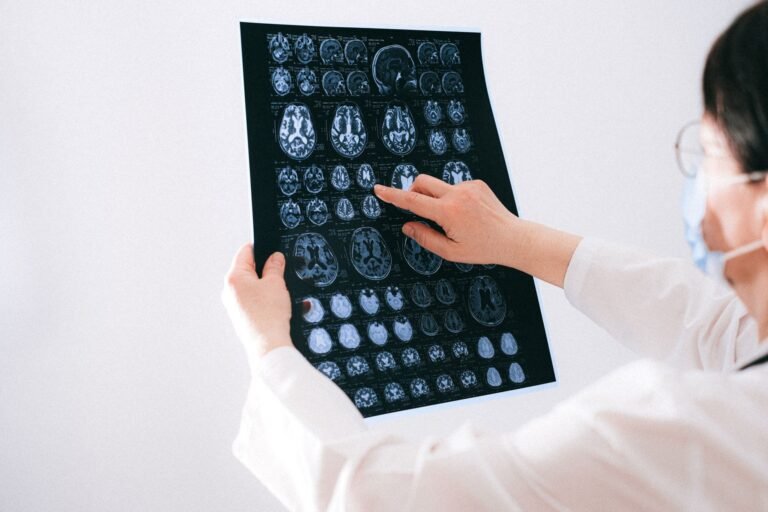
FND is a complex condition involving disrupted brain function, leading to symptoms such as weakness, paralysis, seizures, tremor, dystonia, gait disturbance, sensory changes, or speech difficulties. Importantly, FND is not a diagnosis of exclusion. While investigations often rule out structural pathology (e.g., normal MRI scans for motor symptoms or EEG for dissociative seizures), the diagnosis relies on identifying specific, positive clinical signs. These signs demonstrate inconsistency or incongruity with organic neurological disease and are fundamental to establishing a firm diagnosis.
Key positive diagnostic signs include:
- Hoover’s Sign: For functional leg weakness, where true weakness of hip extension on the affected side improves when the patient exerts hip flexion force with the contralateral leg. This paradoxical movement suggests a functional aetiology.
- Tremor Entrainment: A functional tremor may entrain to the rhythm of a volitional movement from the unaffected limb or change frequency with distraction.
- Co-activation Sign: During examination of functional weakness, excessive co-contraction of agonist and antagonist muscles may be observed, atypical of organic weakness.
- Give-Way Weakness: A sudden collapse of muscle power during consistent effort, distinct from sustained weakness in organic conditions.
- Dissociative Seizures: Diagnosed by clinical features differentiating them from epileptic seizures, such as prolonged duration, asynchronous movements, fluctuating intensity, preserved responsiveness, or variable eye closure, without typical ictal EEG changes.
The presence of these signs, identified by an experienced neurologist, allows for a positive diagnosis of FND, moving beyond historical misconceptions of it being solely psychological or diagnosed by exclusion. This distinction is vital in medico-legal contexts, where symptom legitimacy is often scrutinised.
FND in Litigation: Causation, Symptom Validity, and Prognosis
Medico-legal disputes involving FND are complex, particularly regarding causation, symptom validity, and long-term prognosis. In personal injury cases, FND may develop following physical trauma (e.g., a road traffic accident) or post-concussion syndrome. The ‘eggshell skull’ rule, as established in Smith v Leech Brain [1962], may apply, where a defendant must take the claimant as they find them, even if a pre-existing vulnerability predisposes them to FND.
Establishing causation requires expert analysis. A neurologist assesses whether the index event materially contributed to the development or exacerbation of FND, which can be complex with pre-existing psychological comorbidities. Principles from Bailey v Ministry of Defence [2008] and Williams v Bermuda Hospitals Board [2016] guide this assessment in clinical negligence claims where delayed diagnosis or inappropriate management may have worsened the condition.
Symptom validity is critical but must be approached with sensitivity. Symptom validity testing assesses consistency of symptom reporting and effort during assessment but is distinct from evaluating positive neurological signs. The identification of positive clinical signs objectively corroborates the neurological basis of FND, countering arguments of conscious fabrication or exaggeration. This reinforces that FND symptoms are genuinely experienced and outside volitional control, not malingering. Prognosis varies depending on early diagnosis, multidisciplinary rehabilitation, and comorbidities. Experts may use tools like the modified Rankin Scale to assess functional independence and provide a realistic outlook on recovery and future care needs.
The Expert Neurologist’s Role in FND Cases
The consultant neurologist as an expert witness plays a pivotal role in FND litigation. Their expertise is essential for:
- Accurate Diagnosis: Performing detailed neurological examinations to identify positive diagnostic signs and differentiate FND from other conditions (e.g., distinguishing dissociative seizures from epilepsy or functional weakness from spinal cord injury).
- Causation Analysis: Providing opinions on whether an alleged negligent act or traumatic event caused or materially contributed to FND, applying legal tests such as Bolam v Friern Hospital Management Committee [1957] and Bolitho v City and Hackney Health Authority [1998].
- Prognosis and Treatment: Articulating the likely long-term course, potential for recovery, and effectiveness of treatments (e.g., physiotherapy, occupational therapy, psychological therapies).
- Addressing Symptom Validity: Objectively evaluating clinical presentation, including positive signs, to provide impartial assessments of symptom consistency.
- Capacity Assessment: Assisting in assessments under the Mental Capacity Act 2005 where FND symptoms (e.g., cognitive fatigue or dissociative states) impact decision-making ability.
Expert reports must adhere to CPR Part 35, providing clear, unbiased opinions. The neurologist’s participation in joint statements is critical for narrowing issues and clarifying points of agreement or disagreement between experts.
Practical Guidance for Legal Professionals
For legal professionals handling FND cases, consider the following:
- Early Specialist Referral: Instruct a consultant neurologist with FND expertise early to clarify diagnosis and guide investigation strategies.
- Comprehensive Medical Records: Provide all relevant records, including GP notes, hospital admissions, and previous psychological assessments, for a holistic view of the claimant’s history.
- Focused Expert Instructions: Frame questions to address positive diagnostic signs, their implications for symptom validity, and causal links between incidents and FND.
- Differential Diagnosis: Recognise that FND can mimic conditions like stroke, epilepsy, or neurodegenerative disorders. The neurologist’s role is to meticulously differentiate these.
- Rehabilitation Pathway: Consider targeted therapy, as effective rehabilitation can significantly improve outcomes for FND sufferers.
Understanding FND requires a blend of neurological knowledge and appreciation of its challenges in medico-legal contexts. Consultant neurologists provide the expertise needed to navigate these complexities, delivering CPR-compliant reports that clearly articulate clinical and causal aspects of FND cases.
This article is for general informational purposes only and does not constitute legal or medical advice. Readers should seek appropriate professional guidance.