
Mild Traumatic Brain Injury Settlements in the UK: 2026 Bracket Analysis

Mild Traumatic Brain Injury Settlements in the UK: 2026 Bracket Analysis
Mild Traumatic Brain Injury (MTBI), often referred to as concussion, presents a unique and frequently contentious area within UK personal injury and clinical negligence litigation. While the term ‘mild’ may suggest minor consequences, the reality for claimants can involve persistent and debilitating symptoms, impacting functional prognosis, quality of life, and earning capacity. For solicitors, barristers, insurers, and Court of Protection professionals, understanding the neurological intricacies and their medico-legal implications is crucial for accurate assessment of causation, liability, and fair settlement.
Understanding Mild Traumatic Brain Injury: Clinical Perspectives
An MTBI is typically characterised by a transient disturbance of brain function, often without structural abnormalities detectable on routine neuroimaging such as CT or standard MRI. Despite this, the clinical picture can be complex. Key neurological concepts relevant to MTBI claims include:
- Cognitive Impairment: Common sequelae include difficulties with attention, concentration, memory, processing speed, and executive functions (e.g., planning, problem-solving). These subtle deficits can significantly impair academic performance, employment, and daily activities.
- Post-Concussion Syndrome (PCS): Many individuals experience a cluster of symptoms known as PCS, which can persist for weeks, months, or even years after the initial injury. Symptoms include headaches, dizziness, fatigue, sleep disturbances, irritability, anxiety, and sensitivity to light or noise. The duration and severity of PCS are primary determinants of general damages.
- Diffuse Axonal Injury (DAI): Although more commonly associated with severe TBI, microscopic DAI can occur even in MTBI due to shearing forces during acceleration-deceleration. While not usually visible on conventional scans, advanced neuroimaging techniques (e.g., diffusion tensor imaging, DTI) can sometimes reveal subtle microstructural changes, although their medico-legal utility is still evolving.
- Behavioural Sequelae: Changes in personality, mood instability, irritability, and anxiety are frequently reported, affecting interpersonal relationships and occupational function. These can overlap with, or exacerbate, pre-existing psychological vulnerabilities.
- Glasgow Outcome Scale (GOS): While primarily used for moderate to severe TBI, the extended GOS (GOS-E) offers a more nuanced assessment of functional recovery, including return to work and social integration. However, for subtle MTBI, even GOS-E may not capture the full extent of subjective complaints and cognitive burden. The modified Rankin Scale (mRS) can also be used to describe functional independence, particularly in relation to neurological disability.
- Post-Traumatic Epilepsy: Although rarer in MTBI than in more severe injuries, an increased risk of developing epilepsy can be a long-term concern, requiring specialist neurological assessment and expert opinion on seizure risk frameworks, with implications for DVLA driving regulations.
Legal Frameworks and Settlement Brackets for MTBI in the UK
Current Judicial College Guidelines
Assessing fair compensation for MTBI in the UK largely relies on the Judicial College Guidelines for the Assessment of General Damages in Personal Injury Cases (JCG), currently in its 16th edition. These guidelines provide broad brackets for general damages (pain, suffering, and loss of amenity), categorised by severity and duration of symptoms. For MTBI, claims typically fall into several JCG categories:
- Minor Head Injury: For cases where recovery is complete within a few weeks or months, the brackets are relatively modest. However, even within this category, persistent symptoms, such as headaches or minor cognitive issues that resolve fully, warrant higher awards.
- Moderate Head Injury: When MTBI leads to persistent but not grossly disabling cognitive, psychological, or behavioural problems, such as ongoing PCS that significantly impacts daily life but does not preclude employment, the awards are considerably higher. Factors such as loss of career prospects, ongoing medical needs, and impact on relationships are critical.
- Serious Head Injury: In rare instances, an MTBI can result in surprisingly severe and permanent sequelae, leading to awards comparable to more severe TBI cases, particularly if there is irreversible cognitive decline, significant personality change, or severe psychiatric disorder attributable to the injury.
Projected 2026 Bracket Adjustments
Anticipated updates to the JCG in 2026 may reflect evolving case law and inflationary pressures. While precise figures remain speculative, trends suggest potential increases in general damages brackets by 5-10% to account for rising living costs and enhanced understanding of MTBI sequelae. Legal professionals should monitor updates to the JCG and relevant case law, such as recent decisions on apportionment and causation, to ensure accurate valuation of claims.
Beyond general damages, specific damages account for quantifiable financial losses, including past and future loss of earnings, care costs, medical treatment (e.g., physiotherapy, psychological therapy, occupational therapy), and rehabilitation expenses. Causation remains central to these assessments, requiring expert neurological opinion to establish the link between the injury and the claimed losses, addressing issues of apportionment against pre-existing conditions or vulnerabilities.
Causation, Prognosis, and the Expert Neurologist’s Role
Establishing causation in MTBI claims is frequently challenging. The expert neurologist must determine if the alleged injury caused, or materially contributed to, the claimant’s ongoing symptoms. This is particularly difficult when symptoms overlap with pre-existing conditions (e.g., migraine, anxiety, depression) or where the symptoms might suggest a Functional Neurological Disorder (FND) rather than organic damage. The application of the ‘but-for’ test (as per Barnett v Chelsea and Kensington HMC [1969]) and the material contribution test (as seen in Bailey v Ministry of Defence [2008] and Williams v Bermuda Hospitals Board [2016]) is essential.
Expert neurological reports, such as Condition & Prognosis reports, are pivotal. They must provide a clear articulation of the prognosis, including the likelihood of recovery, the persistence of symptoms, and the long-term impact on the claimant’s life. This involves a detailed clinical history, neurological examination (including positive signs for FND such as Hoover’s sign where relevant), review of neuroimaging, and consideration of neuropsychological assessments. Expert opinion may also address issues of standard of care, applying the Bolam v Friern Hospital Management Committee [1957] and Bolitho v City and Hackney Health Authority [1998] tests in clinical negligence cases concerning the acute management of head injury or diagnostic delay.
The Supreme Court’s decision in Khan v Meadows [2021] further refined the approach to causation for secondary harms, emphasising the expert’s role in delineating the scope of duty and the types of losses falling within that scope. Similarly, the ‘eggshell skull’ rule, as confirmed in Smith v Leech Brain [1962], ensures that defendants must ‘take their victim as they find them’, meaning pre-existing vulnerabilities do not diminish damages where the injury causes an unusually severe reaction.
Common Pitfalls in MTBI Litigation
Medico-legal disputes in MTBI often arise from several common pitfalls:
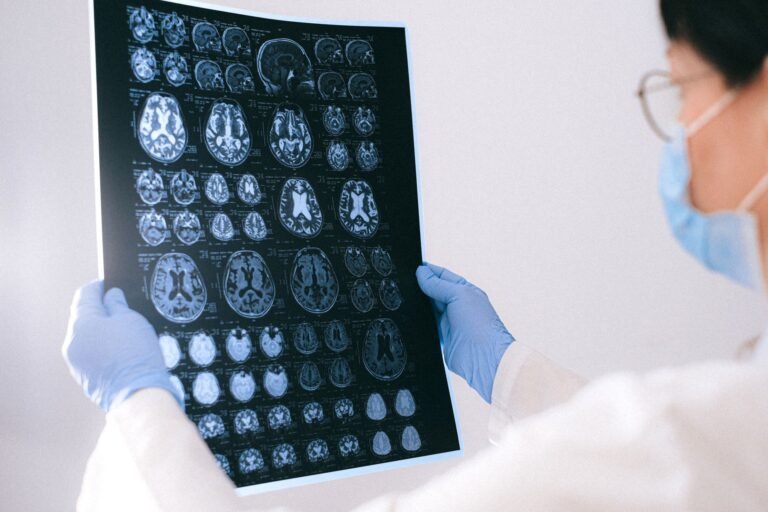
- Over-reliance on Normal Neuroimaging: A ‘normal’ CT or MRI scan does not exclude MTBI or its sequelae. Consultants must educate legal teams that symptoms can persist despite a lack of macroscopic findings.
- Diagnostic Overreach: Attributing severe, intractable symptoms solely to a ‘mild’ injury without considering other contributing factors, such as pre-existing mental health conditions or FND, can weaken a claim. Conversely, dismissing genuine, persistent symptoms as malingering without thorough neurological and neuropsychological assessment is equally problematic.
- Causation Errors: Failing to adequately differentiate between symptoms directly caused by the MTBI, those caused by an exacerbation of a pre-existing condition, and those that might be coincidental or related to other psychosocial stressors. Apportionment of damages is a key consideration.
- FND vs. Organic Injury: The distinction between persistent post-concussion symptoms and FND is a frequent medico-legal battleground. A nuanced approach, incorporating positive diagnostic signs for FND alongside consideration of organic possibilities, is essential.
- Capacity Issues: In cases where MTBI has led to more severe or persistent cognitive impairment, capacity assessments under the Mental Capacity Act 2005 may become necessary, applying the functional test of capacity (understand, retain, weigh, communicate) to specific decisions.
Practical Guidance for Legal Professionals
Navigating MTBI settlements effectively requires a strategic approach. Solicitors should:
- Seek Early Neurological Expertise: Prompt referral to an experienced consultant neurologist is paramount. This ensures a comprehensive, contemporaneous assessment that adheres to CPR Part 35 requirements.
- Ensure Comprehensive Record Keeping: Thorough review of all medical records, including pre-injury medical history, acute phase notes, and subsequent specialist consultations, provides the necessary evidence base.
- Understand Imaging Limitations: Be aware that normal conventional neuroimaging does not negate a diagnosis of MTBI or the presence of significant, long-term symptoms.
- Consider Multi-Disciplinary Assessments: Depending on the case, neuropsychology, occupational therapy, and psychiatric assessments may be necessary to fully quantify the impact of the injury.
- Prepare for Causation Challenges: Be ready to present robust arguments regarding causation, addressing pre-existing conditions, and distinguishing between organic and functional overlays.
- Address Consent Issues: In clinical negligence, consider if Montgomery v Lanarkshire Health Board [2015] principles regarding informed consent apply, particularly in cases involving diagnostic delays or mismanagement of head injuries.
This article is for general informational purposes only and does not constitute legal or medical advice. Readers should seek appropriate professional guidance.