
Missed stroke in younger patients: the neurologist’s role in causation and standard of care assessments

Missed stroke in younger patients: the neurologist’s role in causation and standard of care assessments
Missed stroke diagnoses in younger patients represent a significant area of clinical negligence litigation, with neurological expertise often central to causation and standard of care assessments. As NHS Resolution’s clinical negligence agreement comes into effect and stroke misdiagnosis news continues to highlight systemic challenges, solicitors handling these claims require specialist neurological input to navigate complex diagnostic and causation issues.
Younger patients with stroke present unique challenges. Stroke is often perceived as a disease of older adults, leading to diagnostic overshadowing when younger individuals present with neurological symptoms. This cognitive bias, combined with stroke mimics being more common in younger populations, creates a medico-legal landscape where neurological expertise becomes essential for both claimants and defendants.
Clinical context: stroke presentation in younger adults
Stroke in patients under 55 years presents differently from typical presentations in older populations. The mechanisms are often distinct, with arterial dissection, migraine-related stroke, and patent foramen ovale-associated paradoxical embolism being more prevalent than large vessel atherosclerosis.
The classic FAST (Face, Arms, Speech, Time) assessment, whilst valuable, may miss posterior circulation strokes common in younger patients. Symptoms such as vertigo, diplopia, ataxia, or isolated vertigo without other focal signs can be misattributed to benign causes. BEFAST (adding Balance and Eyes) improves sensitivity but still requires clinical acumen for application.
Neurological examination findings in younger stroke patients may be subtle. A minor hemiparesis, mild dysarthria, or subtle neglect might be dismissed as non-neurological. The neurologist’s role includes interpreting these findings within the context of age-specific stroke mechanisms and recognising red flags that generalists might miss.
Legal relevance in clinical negligence proceedings
In clinical negligence claims involving missed stroke, the legal tests of breach and causation apply with particular complexity. The Bolam test establishes whether the standard of care fell below that of a reasonable body of neurological opinion, whilst Bolitho requires logical analysis of that opinion.
Material contribution becomes crucial when dealing with time-sensitive treatments. If thrombolysis or thrombectomy was potentially available but not administered due to diagnostic delays, the expert must assess whether earlier intervention would have materially altered outcome. This requires understanding of extended window protocols and perfusion imaging selection criteria.
Loss of chance claims are particularly relevant in younger patients where the potential for recovery is greater. A neurologist must quantify the probability that earlier diagnosis would have resulted in better functional outcomes, considering factors such as stroke severity, location, and available treatment windows.
Common pitfalls in neurological evidence
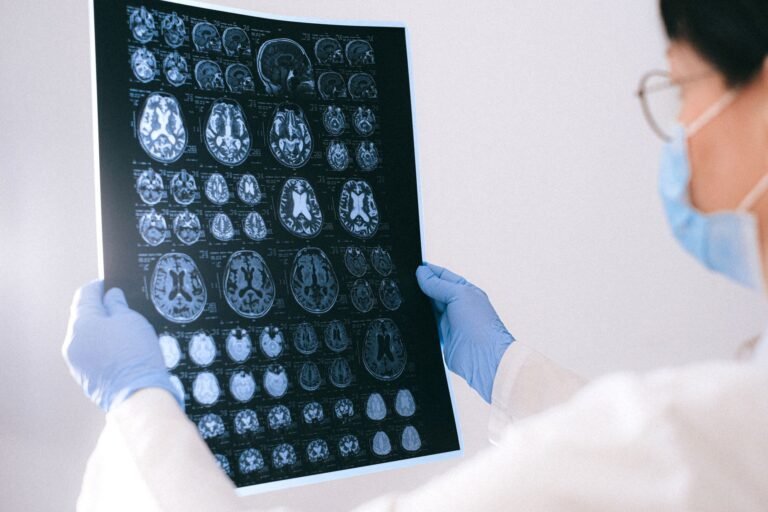
Imaging misinterpretation frequently undermines stroke claims. Non-contrast CT within the first 6-12 hours may be falsely reassuring in younger patients with low pre-test probability strokes. MRI diffusion-weighted imaging (DWI) has higher sensitivity but requires expert interpretation. DWI-FLAIR mismatch can indicate stroke age and guide treatment decisions.
Causation errors occur when experts fail to consider age-specific stroke mechanisms. A dissection-related stroke has different treatment windows and prognosis compared to cardioembolic stroke. The neurologist must establish the stroke mechanism to assess whether standard treatments would have been appropriate.
Malingering concerns, whilst less common in acute stroke, can arise in chronic presentations. The neurologist’s expertise in distinguishing organic from functional deficits through examination techniques such as Hoover’s sign or tremor entrainment becomes relevant in disputed cases.
The neurologist’s expert witness role
A neurology expert witness in missed stroke claims provides several critical functions. First, they assess whether the standard of care fell below acceptable neurological practice, considering age-specific diagnostic challenges and available guidelines.
Second, they evaluate causation by determining whether earlier diagnosis would have altered treatment pathways and outcomes. This requires expertise in acute stroke protocols, extended window treatments, and prognosis in younger stroke populations.
Third, they quantify neurological deficits and functional impairment for Schedule of Loss preparation. This includes assessing cognitive deficits through neuropsychological testing, physical impairments requiring rehabilitation, and vocational impact.
Quality neurology reports address CPR Part 35 requirements comprehensively. They provide clear opinions on breach and causation, explain the reasoning behind conclusions, and acknowledge limitations in the evidence. Joint statements and hot-tubbing sessions benefit from the neurologist’s ability to explain complex imaging findings and treatment decisions to non-specialist audiences.
Key considerations for the neurology report
- Imaging review with expertise in age-specific stroke patterns and mimics
- Assessment of guideline compliance, particularly NICE stroke guidelines
- Evaluation of treatment window eligibility and extended protocol criteria
- Prognosis assessment considering age, stroke mechanism, and rehabilitation potential
- Functional capacity assessment for ongoing care and support needs
Practical guidance for solicitors
Early instruction of a neurology expert witness is crucial in missed stroke claims. The expert can identify key issues before substantial costs are incurred and guide the scope of disclosure requests, particularly for imaging and treatment records.
When instructing, provide comprehensive clinical records including ambulance call logs, A&E documentation, imaging reports, treatment records, and rehabilitation notes. Include any previous similar presentations that might indicate a pattern of missed diagnoses.
Consider the expert’s sub-specialty expertise. Stroke neurologists with experience in younger patients understand the unique mechanisms and treatment considerations. Those with medico-legal experience understand the burden of proof and how to communicate complex neurological concepts to legal audiences.
Red flags requiring specialist neurological input include cases involving posterior circulation symptoms, cases where initial imaging was negative but clinical suspicion remained high, and cases where treatment windows may have been missed due to diagnostic delays.
Conclusion
Missed stroke in younger patients requires nuanced neurological expertise to navigate the complex interplay of diagnostic challenges, age-specific stroke mechanisms, and treatment considerations. The neurologist’s role extends beyond simple breach assessment to encompass detailed causation analysis, prognosis quantification, and functional capacity evaluation.
Specialist neurological assessment from an experienced expert witness can be pivotal in cases involving causation, prognosis, or capacity, particularly when NHS Resolution’s clinical negligence agreement emphasises the importance of early, expert-driven case management.
This article is for general informational purposes only and does not constitute legal or medical advice. Readers should seek appropriate professional guidance.