
Cerebral Palsy Medical Negligence Claims: Proving Failures in Intrapartum Care

Cerebral Palsy Medical Negligence Claims: Proving Failures in Intrapartum Care
Cerebral palsy is a life-altering condition often forming the basis of complex medical negligence claims. For solicitors, barristers, insurers and Court of Protection professionals, understanding the clinical and legal nexus is essential. When examining such claims, the focus frequently centres on alleged failures in intrapartum care, requiring expert review of obstetric and neonatal management. A consultant neurologist’s expertise proves crucial in establishing links between substandard care and neurological injury.
Understanding Cerebral Palsy in Medico-Legal Context
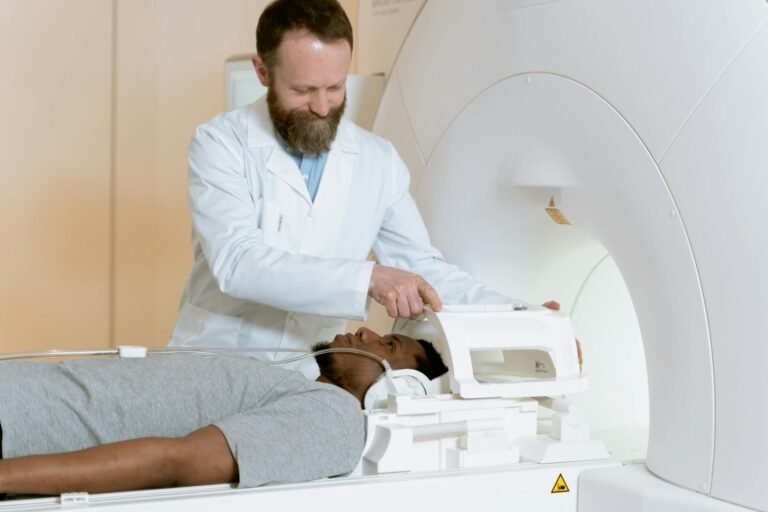
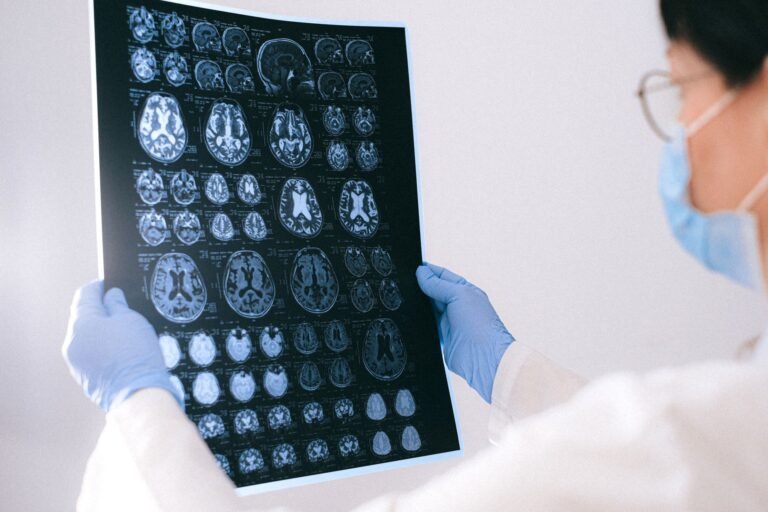
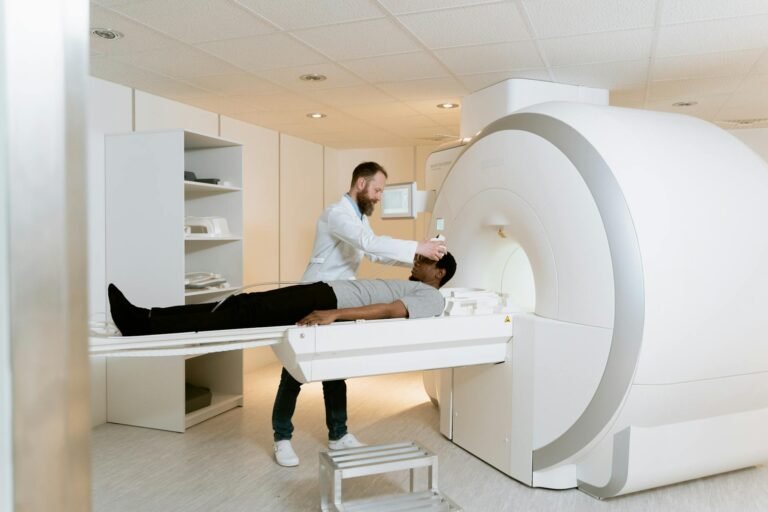
Cerebral palsy (CP) comprises permanent disorders of movement and posture development, causing activity limitation attributed to non-progressive disturbances in the developing fetal or infant brain. Its clinical presentation varies, encompassing motor impairments such as spasticity, dyskinesia and ataxia. Individuals with CP often experience associated conditions including epilepsy, cognitive impairment, sensory deficits and behavioural sequelae. Diagnosis relies on clinical criteria, with neuroimaging – particularly MRI – playing a key role in identifying brain abnormalities consistent with injury timing and nature.
In medico-legal claims, hypoxic-ischaemic encephalopathy (HIE) – brain damage from oxygen deprivation and reduced blood flow around birth – often becomes central. Proving HIE as the cause of CP requires careful consideration of clinical signs, neuroimaging findings and investigations like placental pathology and umbilical cord blood gas analysis. Expert neurologists interpret these complex data points, providing informed opinions on likely timing and aetiology of brain injury, crucial for establishing causation.
Establishing Breach of Duty in Intrapartum Care
The foundation of any medical negligence claim lies in proving breach of duty. In intrapartum care cases, this typically involves demonstrating that care provided fell below accepted standards of reasonably competent medical practitioners. The legal tests established in Bolam v Friern Hospital Management Committee [1957] and refined by Bolitho v City and Hackney Health Authority [1998] apply. This requires expert scrutiny of clinical records for evidence of:
- Substandard fetal monitoring: Failures in interpreting cardiotocograph (CTG) traces, including misinterpretation of baseline variability, decelerations and changes over time, or inadequate response to abnormal traces.
- Delayed intervention: Unreasonable delays in escalating care, performing fetal blood sampling or initiating delivery when signs of fetal compromise appear.
- Inadequate resuscitation: Failures in providing appropriate and timely postnatal resuscitation, potentially exacerbating HIE.
Expert reports analyse whether a responsible body of medical opinion would have acted differently, and whether that alternative course would have been logical. Neurologists also consider current NICE guidance relevant to intrapartum care and neonatal resuscitation when assessing standards of care.
Proving Causation: The Critical Link
After establishing breach of duty, claimants must demonstrate that this breach caused or materially contributed to cerebral palsy. This represents the most challenging aspect of such claims. The ‘but for’ test remains primary, meaning the injury would not have occurred ‘but for’ the negligent act or omission.
Many cases involve complex aetiologies with multiple contributing factors. Principles from cases like Bailey v Ministry of Defence [2008] and Williams v Bermuda Hospitals Board [2016] become relevant, focusing on whether negligence made a material contribution to injury or risk. Expert neurologists help disentangle these factors, differentiating intrapartum injury from antepartum events, genetic causes or postnatal insults by analysing:
- Clinical presentation: Pattern of neurological deficit, including CP type, seizure history and developmental trajectory.
- Neuroimaging findings: MRI scans interpreted by specialist neuroradiologists can provide strong evidence regarding timing and nature of brain damage.
- Associated risk factors: Consideration of maternal health, placental pathology and other factors predisposing to fetal injury.
Experts also address scope of duty, clarified in Khan v Meadows [2021], examining extent of damage for which negligent parties should be held responsible. While less common in intrapartum HIE, experts may consider pre-existing vulnerabilities under the ‘eggshell skull’ rule from Smith v Leech Brain [1962].
The Expert Neurologist’s Role
Consultant neurologists provide indispensable expert witness services in cerebral palsy claims. Their understanding of brain development, neuropathology and long-term sequelae of perinatal brain injury ensures robust medico-legal assessment. Their duties, governed by CPR Part 35, include providing objective, unbiased opinion to the court.
Key contributions include:
- Screening and merits reports: Initial assessment of claim potential based on record review.
- Condition and prognosis reports: Detailing extent of neurological injury, long-term functional prognosis and future care needs.
- Life expectancy reports: Providing informed opinion on reduced life expectancy for quantum assessment.
- Capacity assessments: Assessing mental capacity under Mental Capacity Act 2005 for adult claimants.
- Single joint expert role: Acting impartially for both parties to facilitate resolution.
- Joint statements: Participating in expert meetings to narrow issues and identify areas of agreement.
Neurologists must differentiate cerebral palsy from other conditions like functional neurological disorder, while clearly articulating complex concepts for legal audiences.
Practical Guidance for Legal Professionals
To successfully handle cerebral palsy negligence claims, legal teams should:
- Engage experts early: Instruct consultant neurologists alongside obstetric and neonatology experts at the earliest opportunity.
- Provide comprehensive documentation: Supply all relevant medical records including antenatal, intrapartum, postnatal and developmental notes.
- Understand neurological nuances: Work closely with experts to grasp specific neurological findings and their implications for functional ability.
- Consider multi-disciplinary approach: Collaborate with various experts to build comprehensive understanding of the case.
- Prepare for complex causation arguments: Be ready to address multiple potential contributing factors to the injury.
This article is for general informational purposes only and does not constitute legal or medical advice. Readers should seek appropriate professional guidance.