
How neurologists address causation in mild TBI claims where imaging is normal

How neurologists address causation in mild TBI claims where imaging is normal
In clinical negligence and personal injury litigation, mild traumatic brain injury (TBI) claims present unique challenges when neuroimaging appears normal. Solicitors frequently encounter cases where clients report persistent symptoms following a head injury, yet MRI and CT scans show no structural abnormality. Understanding how neurologists approach these cases is essential for instructing the right expert and avoiding common evidential pitfalls.
The clinical challenge: normal imaging does not exclude mild TBI
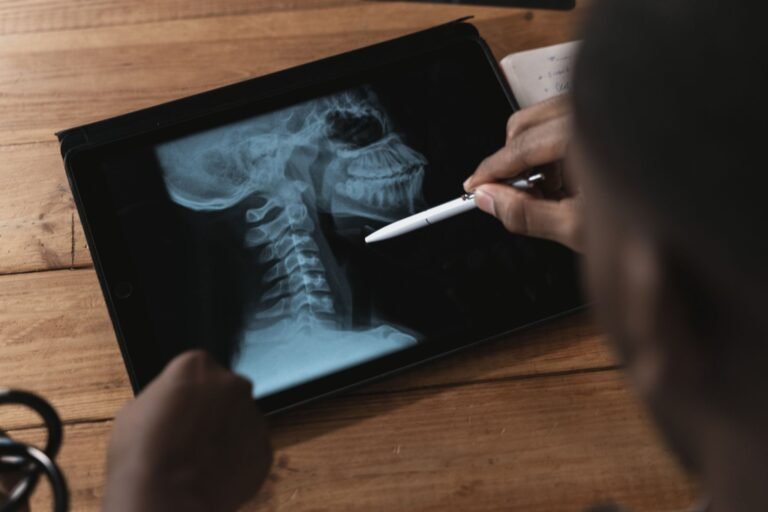
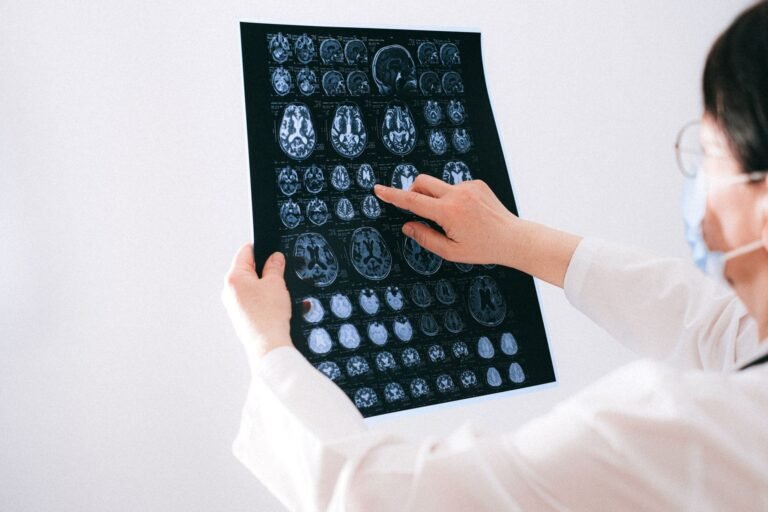
In neurology medico-legal practice, it is widely recognised that standard neuroimaging has limited sensitivity for detecting the subtle structural changes associated with mild TBI. While CT remains the frontline investigation for acute trauma to exclude haemorrhage or fracture, it cannot detect microscopic axonal injury or functional connectivity changes. Even conventional MRI, including standard T1, T2 and FLAIR sequences, often appears normal in mild TBI cases.
Advanced neuroimaging techniques such as diffusion tensor imaging (DTI) and susceptibility-weighted imaging (SWI) may demonstrate microstructural white matter changes or microhaemorrhages, but these are not routinely available in clinical practice and their medico-legal admissibility can be contested. Neurologists therefore rely heavily on clinical assessment, including Glasgow Coma Scale (GCS) scoring, post-traumatic amnesia (PTA) duration, and the temporal evolution of symptoms.
Legal relevance: causation arguments in mild TBI claims
In personal injury claims, establishing causation requires demonstrating that the head injury was both a factual and legal cause of the claimant’s symptoms. The presence of normal imaging does not negate causation, but it does shift the evidential focus to clinical history, symptom chronology, and the exclusion of alternative explanations.
Expert opinion may address whether the mechanism of injury was sufficient to cause mild TBI according to the Mayo Classification, which defines mild TBI as GCS 13-15 with PTA up to 24 hours. Solicitors should note that symptoms such as post-concussion syndrome, chronic headache, and cognitive complaints can persist beyond the acute phase, even when initial imaging is unremarkable.
Common pitfalls in causation disputes
- Assuming normal imaging excludes brain injury entirely
- Overlooking pre-existing vulnerability or psychiatric comorbidity
- Failing to consider acceleration-deceleration mechanisms that may not produce visible structural damage
- Misinterpreting symptom onset timing or attributing symptoms to malingering without proper assessment
In clinical negligence cases, causation arguments may also involve whether the defendant’s breach materially contributed to ongoing symptoms, particularly where rehabilitation was delayed or mismanaged. The Bolitho test applies when expert disagreement exists over causation, requiring logical justification for the opinion offered.
The role of the neurology expert witness
A specialist neurology expert witness provides independent opinion on whether the clinical picture is consistent with mild TBI, the likelihood that symptoms are causally related to the index injury, and the prognosis for recovery. The report should address:
- Mechanism of injury and its neurological plausibility
- Clinical assessment findings including cognitive screening
- Imaging interpretation and its limitations
- Differential diagnosis to exclude alternative causes
- Symptom validity assessment where malingering is alleged
In the experience of medico-legal neurologists, a thorough clinical assessment combined with careful interpretation of available imaging is more probative than normal scans alone. The expert should also comment on the consistency between reported symptoms and recognised post-concussion syndromes, while remaining alert to symptom exaggeration or fabrication.
Practical guidance for solicitors
When instructing a neurologist in mild TBI claims with normal imaging, solicitors should provide:
- Full clinical records including pre-accident medical history
- Detailed accident chronology and mechanism description
- All imaging reports and actual scan images if available
- Information on symptom onset, progression and current impact
- Any previous expert reports or neuropsychometric testing
CPR Part 35 requires that the expert’s opinion is expressed to the court’s required standard of proof, with clear reasoning for conclusions reached. Solicitors should consider early neurologist instruction where causation is disputed, particularly if imaging is normal but symptoms are persistent and disabling.
Red flags that warrant specialist neurological assessment include:
- Discrepancy between injury severity and reported symptoms
- Failure to improve despite appropriate rehabilitation
- Allegations of malingering or symptom magnification
- Complex pre-existing psychiatric or neurological history
Avoiding common evidential errors
In clinical negligence casework, it is frequently observed that normal imaging is misinterpreted as evidence against causation. Solicitors should ensure that the expert explicitly addresses the limitations of standard neuroimaging and explains why clinical assessment remains the gold standard for mild TBI diagnosis.
Another common error is failing to distinguish between acute injury effects and chronic post-concussion symptoms. The neurology report should clarify the natural history of mild TBI and whether the claimant’s ongoing difficulties are consistent with recognised sequelae or suggest alternative pathology.
Where symptom validity is questioned, neurologists may incorporate validated assessment tools or refer for neuropsychometric testing, though the primary focus remains on clinical opinion rather than psychometric thresholds alone.
Conclusion
Normal imaging does not preclude a diagnosis of mild TBI or exclude causation in clinical negligence and personal injury claims. Specialist neurological assessment from an experienced expert witness can be pivotal in cases involving causation, prognosis, or capacity. Early instruction of a neurologist with expertise in medico-legal practice ensures that the complex interplay between clinical findings, imaging limitations, and legal causation tests is properly addressed.
This article is for general informational purposes only and does not constitute legal or medical advice. Readers should seek appropriate professional guidance.