
Analysing Delay in Stroke Pathway: Causation and Future Treatment Implications
In clinical negligence litigation involving stroke, establishing the nexus between a delay in presentation, diagnosis or intervention and the resulting neurological outcome is the central challenge. For instructing solicitors and experts, the objective is to disentangle the natural progression of the ischaemic event from any incremental morbidity attributable to the alleged breach of duty. This requires a rigorous application of the Bolam/Bolitho test to determine whether the pathway management met a standard of responsible practice, followed by an analysis of whether, on the balance of probabilities, a different outcome would have been achieved.
Clinical Thresholds and the Stroke Pathway
Neurological assessment of stroke causation relies on the relationship between symptom onset and reperfusion therapy. While clinical pathways for thrombolysis and mechanical thrombectomy provide a framework for care, expert opinion must distinguish between the technical feasibility of these interventions and the statistical likelihood of a favourable functional outcome in a given patient. The modified Rankin Scale (mRS) is typically employed to quantify pre-morbid status and post-stroke disability. Where a patient presents near the boundary of the therapeutic window, the expert must assess not only whether treatment could have been administered within the time constraint, but whether the specific anatomical territory of the stroke would have been amenable to such intervention.
Legal Framework: Breach and Causation
Under the Bolam/Bolitho test, the standard of care is determined by whether the clinical practice was supported by a responsible body of medical opinion. In cases involving stroke, expert evidence may address whether systemic failures—such as delays in triage, imaging, or neuro-vascular consultation—constitute a departure from that standard. However, establishing breach is insufficient if causation cannot be proven under the ‘but-for’ analysis. If the evidence indicates that, even with prompt intervention, the patient’s neurological damage would have been substantially the same, the claim fails the causation threshold. Practitioners should note that recent jurisprudence underscores the necessity of precise evidence regarding the factual sequence of events and the specific neurological impact of any proven delay.
Common Pitfalls in Medico-Legal Reporting
A primary risk in neurological litigation is diagnostic overreach. Experts must be cautious of attributing functional deficit to the delay if imaging shows large-vessel occlusion with established core infarct prior to the arrival at the facility. Distinguishing between the sequelae of an acute stroke and the baseline clinical state of a patient—particularly in elderly cohorts—is essential for accurate prognosis. Experts should avoid conflating ‘material contribution’ arguments with ‘but-for’ causation unless the specific facts of the case support a divided cause of damage.
The Role of the Expert Witness
The role of the neurologist as an expert witness is governed by the overriding duty to the court under CPR 35.3. In complex stroke claims, the expert’s function is to provide the scientific basis to determine whether a pathway delay was the proximate cause of the patient’s current disability. This often necessitates:
- Reviewing the sequential timeline from first responder interaction to the administration of thrombolytics or thrombectomy.
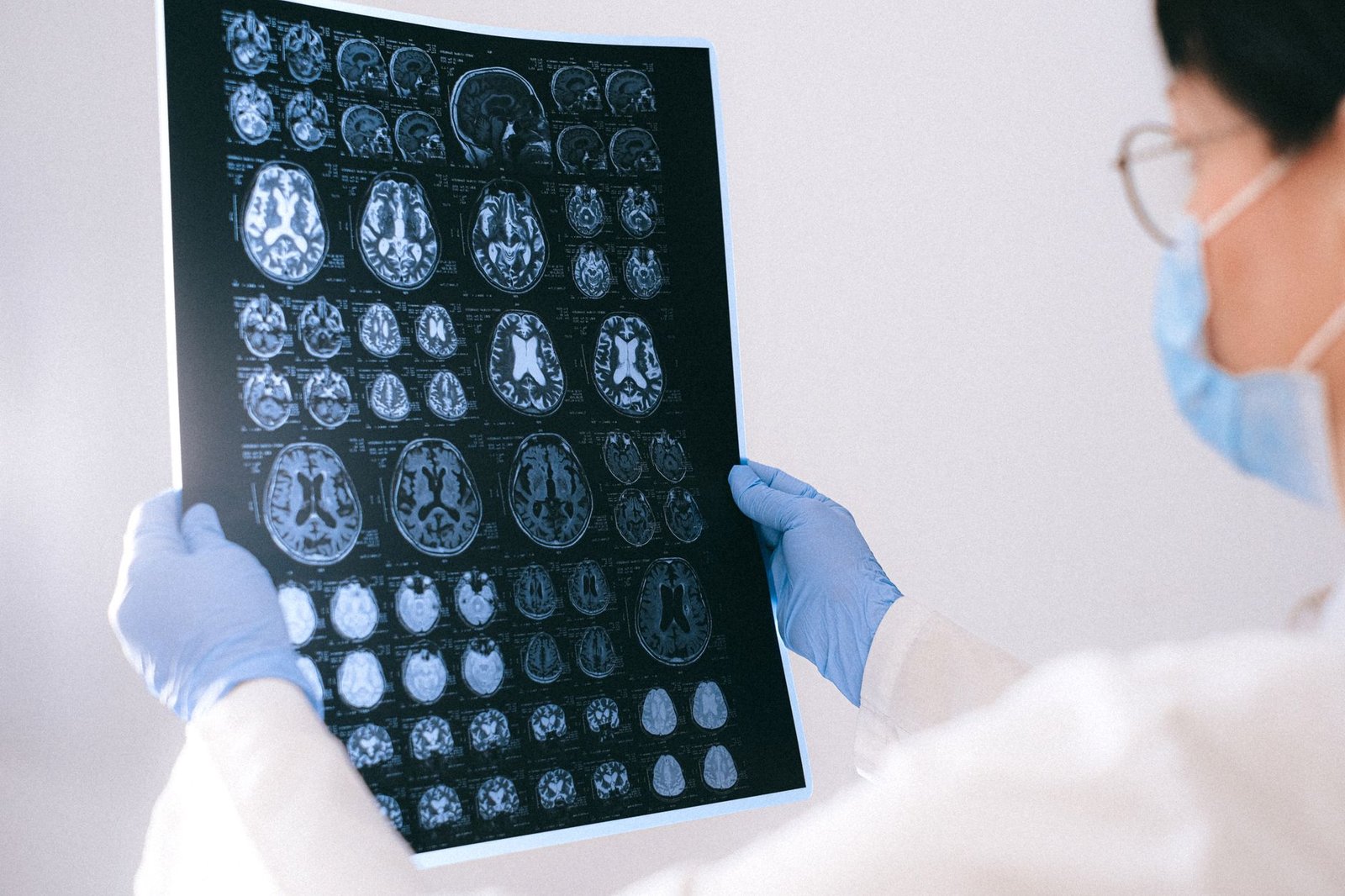
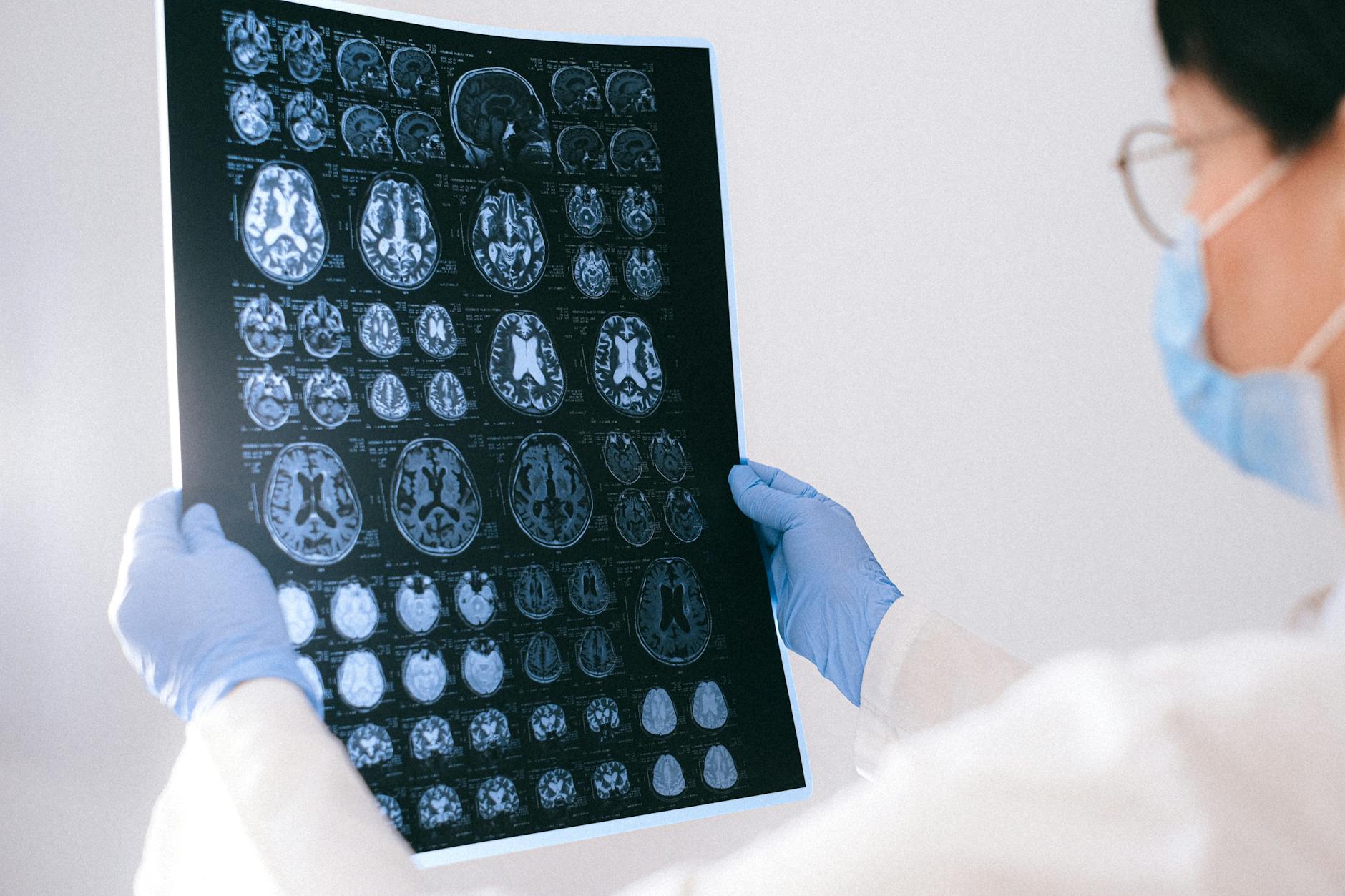
- Assessing neuro-radiological evidence to determine the extent of potentially salvageable penumbra at the time of the alleged delay.
- Addressing the potential for functional neurological disorder (FND) or non-organic overlay, particularly where subjective complaints do not align with objective imaging.
- Adhering to CPR 35.12 protocols when participating in discussions with opposing experts to narrow the issues, ensuring that joint statements reflect a rigorous assessment of the neurological evidence.
When instructing a neurologist for a stroke medicine expert report, the focus should remain on the specific neurological trajectory. Solicitors should obtain comprehensive contemporaneous medical records, including ambulance logs, triage notes, and sequential neuro-imaging (CT, MRI, CTA, CTP). Questions for the expert should focus on the ‘but-for’ test: specifically, what percentage of the patient’s functional deficit would have been mitigated had the breach not occurred. Where there is a dispute on prognosis, consider whether the instruction of a rehabilitation expert is required to quantify future care and equipment needs. Ensuring that the expert report explicitly addresses the requirements of CPR 35.10 remains critical for the admissibility and weight of evidence, while instructions for a single joint expert must comply with CPR 35.8.
This article is for general informational purposes only and does not constitute legal or medical advice. Readers should seek appropriate professional guidance.