
Comparing Methodologies for Assessing Causation in Functional Neurological Disorder Medico-Legal Cases

Comparing Methodologies for Assessing Causation in Functional Neurological Disorder Medico-Legal Cases
Functional Neurological Disorder (FND) represents a significant and increasingly recognised clinical entity within neurological practice. Its rising profile in medico-legal arenas, particularly in clinical negligence and personal injury claims, necessitates a clear and defensible approach to assessing causation. Unlike many organic neurological conditions where direct structural damage is evident, FND presents a unique challenge: symptoms are genuinely experienced and often disabling, yet are not attributable to conventional neurological pathology or another medical condition. This distinction demands a sophisticated and nuanced application of causation principles, moving beyond simplistic ‘but for’ tests to encompass a more holistic understanding of aetiology. This article explores and compares the methodologies employed by neurologist expert witnesses in establishing causation within FND medico-legal cases, offering insights for UK solicitors, barristers, and clinical negligence lawyers.
Understanding Functional Neurological Disorder (FND) in Medico-Legal Context
Functional Neurological Disorder describes a condition where patients experience neurological symptoms – such as motor weakness, seizures (functional seizures or dissociative seizures), movement disorders, sensory disturbances, or cognitive difficulties – that are inconsistent with a known neurological disease but are genuinely experienced and often disabling. In neurological practice, it is generally recognised that FND is a disorder of nervous system functioning, where the ‘software’ rather than the ‘hardware’ of the brain is affected. It is not feigned or imagined. The underlying mechanisms are complex, involving altered brain network connectivity, aberrant prediction error processing, and the interplay of biological, psychological, and social factors.
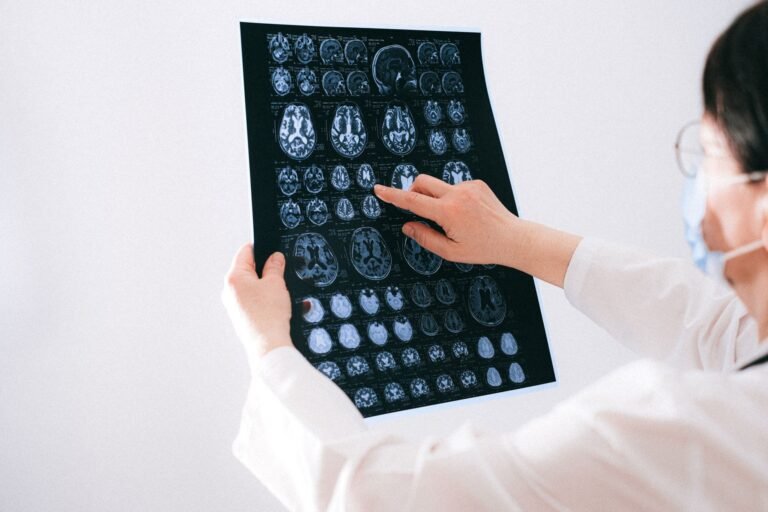
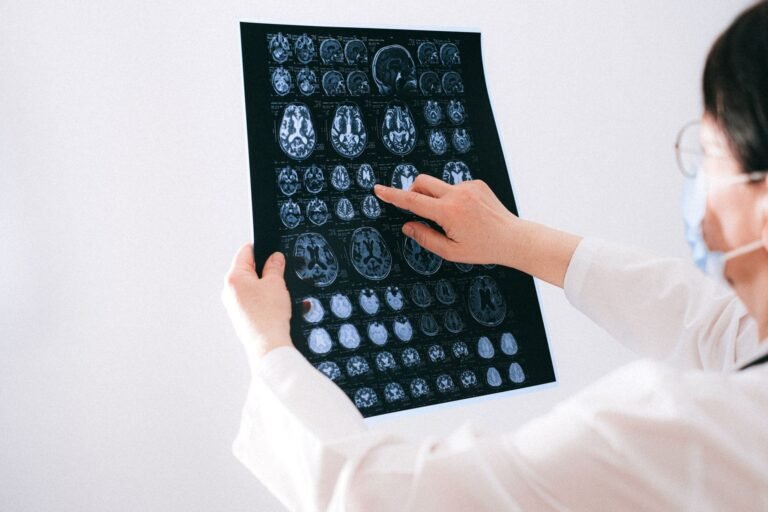
Medico-legally, the diagnostic journey for FND can be protracted, involving extensive investigations to exclude organic pathology. This often leads to delays, misdiagnoses, and significant patient distress, which can in itself become a perpetuating factor for symptoms. The lack of a clear ‘lesion’ on standard imaging (e.g., MRI) can lead to misconceptions within the legal domain about the legitimacy of the condition, making robust expert opinion critical.
Traditional Causation Frameworks and Their Limitations in FND
In many medico-legal cases involving neurological harm, causation is typically approached via the ‘but for’ test – would the harm have occurred but for the defendant’s breach of duty? For organic neurological conditions, such as a traumatic brain injury (TBI) from a road traffic accident, the link between the injurious event (e.g., direct impact leading to primary brain injury mechanisms like axonal shearing or contusions, followed by secondary injury mechanisms like oedema or ischaemia) and the resultant neurological deficits (e.g., cognitive impairment, motor weakness) is often relatively direct and evident through imaging or clinical signs. Similarly, in cases of delayed diagnosis or treatment, such as a missed stroke where thrombolysis windows are critical, the impact of delay on outcome is often quantifiable.
However, applying this direct causal link to FND presents inherent difficulties. While an accident, physical injury, or psychological trauma may serve as a ‘precipitating’ event for FND symptoms, it is rarely the sole ’cause’ in the traditional sense of directly damaging neurological structures. The challenge lies in distinguishing between an event that triggers the manifestation of FND in a vulnerable individual and an event that directly causes a demonstrable neurological injury. Expert opinion may consider that FND often develops against a backdrop of predisposing factors, which can include genetic predispositions, previous adverse life events, or a history of anxiety or depression. The medico-legal question thus shifts from a singular causative agent to understanding how an incident fits within a multifactorial biopsychosocial model.
Methodologies for Assessing FND Causation: A Comparative Analysis
Given the complexities, several sophisticated FND causation assessment methods are employed by neurologist expert witnesses:
The Temporal Association Approach
- Description: This method focuses on the proximity in time between an alleged incident (e.g., a physical injury, psychological trauma, or iatrogenic event like medical misadventure) and the onset or exacerbation of FND symptoms.
- Limitations: While a temporal association is a necessary component, it is rarely sufficient to establish causation in FND. Correlation does not equate to causation. Many individuals may experience trauma or injury without developing FND, and symptoms can emerge seemingly spontaneously or gradually. Expert opinion must carefully consider confounding factors and the possibility of coincidence, particularly in cases where symptom onset is significantly delayed or where there is a pre-existing vulnerability.
The Biopsychosocial Model and Predisposing, Precipitating, and Perpetuating Factors
- Description: This is the most widely accepted and robust framework for understanding FND. It posits that FND results from an interplay of factors:
- Predisposing Factors: Underlying vulnerabilities that increase the likelihood of developing FND (e.g., genetic predisposition, prior trauma, personality traits, co-morbid mental health conditions).
- Precipitating Factors: The acute stressors or events that directly trigger the onset of FND symptoms (e.g., a physical injury, a frightening experience, an infection, or even a stressful life event). These are often the focus of medico-legal claims.
- Perpetuating Factors: Elements that maintain or worsen symptoms once FND has developed (e.g., avoidance behaviours, lack of understanding from healthcare professionals, ongoing pain, litigation stress, iatrogenic harm).
- Relevance to FND Causation Assessment Methods: This model allows the expert to articulate how a defendant’s alleged negligence (e.g., causing an injury) acted as a *precipitating* factor, triggering FND in an individual who may or may not have had pre-existing vulnerabilities. It moves beyond a simple ’cause and effect’ to a ‘trigger and response’ narrative, which is more appropriate for FND.
Differential Diagnosis and Exclusion of Organic Pathology
- Description: A fundamental step in diagnosing FND, and by extension, assessing its causation, is the rigorous exclusion of other neurological or medical conditions that could account for the symptoms. This involves a comprehensive clinical history, neurological examination, and appropriate investigations (e.g., MRI, EEG, nerve conduction studies). Diagnostic challenges are common, as conditions like epilepsy (necessitating distinction from non-epileptic seizures) or peripheral neuropathy must be meticulously ruled out.
- Medico-Legal Importance: A robust FND diagnosis, confirmed by a specialist neurologist, is paramount. Without it, any causation argument is significantly weakened. The expert must demonstrate that due diligence was exercised in ruling out organic causes, ensuring that the diagnosis of FND stands on firm clinical grounds. This process is a crucial element of effective FND causation assessment methods.
Consideration of Medical Literature and Expert Consensus
Expert opinion may also draw upon the current scientific understanding of FND, reviewing established medical literature and clinical guidelines regarding its aetiology, epidemiology, and typical trajectories. This ensures that the causation assessment aligns with contemporary neurological knowledge and best practice, bolstering the defensibility of the expert’s conclusions.
The Role of the Neurologist Expert Witness in FND Causation
The neurologist expert witness plays a pivotal role in bridging the gap between complex clinical realities and legal requirements. Their tasks typically include:
- Comprehensive Record Review: Scrutinising extensive medical records to establish the timeline of events, previous medical history, and the diagnostic journey. This includes careful consideration of initial assessments for potential brain injury mechanisms and the subsequent evolution of symptoms.
- Independent Clinical Examination: Performing a detailed neurological examination to confirm the presence of positive clinical signs of FND (e.g., Hoover’s sign, entrainment, distractibility) and to exclude organic pathology.
- Causation Analysis: Applying sophisticated FND causation assessment methods, such as the biopsychosocial model, to determine the likelihood that the index event (e.g., the negligence-related incident) precipitated or materially contributed to the development or exacerbation of FND symptoms. This often requires carefully disentangling pre-existing vulnerabilities from the impact of the index event.
- Prognosis Uncertainty: Addressing the often-challenging aspect of prognosis in FND cases. While some individuals recover, others experience chronic symptoms. The expert must consider how delays in diagnosis or appropriate management, or the ongoing stress of litigation, might impact the long-term outlook. This also includes assessing any potential for capacity and cognitive impairment, which can be part of FND or a co-morbid issue.
- Explaining Complexity: Translating complex neurological concepts into clear, accessible language for the court, ensuring that the genuine nature of FND and the robust methodology behind the causation assessment are fully understood.
Practical Implications for Solicitors
For solicitors, understanding these distinct FND causation assessment methods is paramount. Robust instructions to a neurologist expert witness should include a clear timeline of events, comprehensive medical records from before and after the alleged incident, and specific questions regarding predisposing, precipitating, and perpetuating factors. Recognising the multifactorial nature of FND causation empowers legal professionals to better articulate claims, challenge opposing expert opinions, and navigate the inherent complexities of these challenging, yet increasingly common, medico-legal cases.
In conclusion, while traditional ‘but for’ causation frameworks face limitations in FND cases, the application of the biopsychosocial model, supported by meticulous differential diagnosis and robust clinical expertise, provides a defensible and nuanced approach to establishing causation. The neurologist expert witness is essential in navigating these complexities, offering the court a clear and evidence-based opinion on the link between an incident and the development of Functional Neurological Disorder.
This article is for general informational purposes only and does not constitute legal or medical advice. Readers should seek appropriate professional guidance.