
Evidential Thresholds for Post-Concussive Syndrome: Bridging Documentation Gaps

The Clinical and Evidential Challenge
In personal injury litigation, the validation of post-concussive syndrome (PCS) frequently presents a complex hurdle for instructing solicitors and medical experts. Because the clinical presentation relies significantly on self-reported symptoms—such as headache, fatigue, dizziness, and cognitive disturbance—the absence of objective neurological markers on standard neuroimaging often leads to disputes regarding the evidence required to establish causation and prognosis.
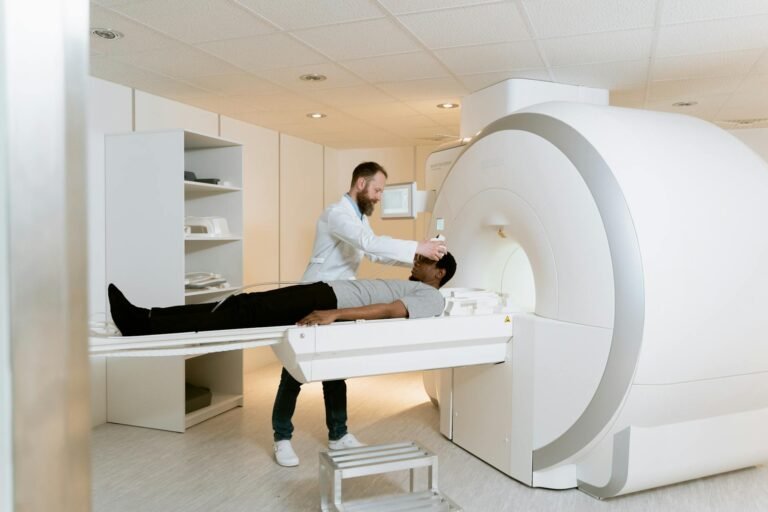
PCS is defined by the persistence of symptoms beyond the typical recovery period for a mild traumatic brain injury (TBI). In medico-legal practice, the absence of radiological evidence of diffuse axonal injury (DAI) on MRI does not preclude the existence of functional impairment. The expert must distinguish between organic neurological sequelae and somatic symptoms related to psychological or multifactorial stressors.
Expert opinion must address the temporal relationship between the index event and the onset of symptoms. Practitioners should evaluate medical records for early documentation of post-traumatic complaints. Where gaps exist, the expert may need to reconcile the clinical presentation with the Bolam v Friern and Bolitho tests for professional conduct, particularly if there is an allegation of failure to manage the injury appropriately in the acute phase.
Causation and the Eggshell Skull Principle
A frequent area of contention is the apportionment of symptoms between the index accident and pre-existing conditions. Under the principle in Smith v Leech Brain, the defendant takes the claimant as they find them. However, for a neurologist, this necessitates a granular analysis of the claimant’s pre-morbid health. Experts must consider whether the current presentation is a direct consequence of the TBI or if it reflects the exacerbation of a latent condition, such as chronic migraine, Functional Neurological Disorder (FND), or underlying psychiatric comorbidities.
When assessing causation, the expert must navigate the ‘but-for’ test. Proving that PCS would not have developed but for the defendant’s breach requires reliable evidence of the claimant’s pre-injury cognitive and physical baseline. Solicitors should ensure that the initial instructions provide comprehensive access to GP records and employment history, which are essential for the expert to form a view on causation and quantum.
Managing Diagnostic Uncertainty and FND
Distinguishing PCS from functional neurological symptoms is a critical exercise in clinical judgement. FND, which may mimic organic TBI, often requires the identification of specific positive signs—such as Hoover’s sign—rather than relying solely on the absence of anatomical findings. Misattribution of functional symptoms to organic TBI can lead to errors in prognosis articulation and care need calculations.
Expert evidence in these matters should distinguish between:
- Symptoms directly attributable to the neurological insult (PCS).
- Functional overlay or somatic reporting that may respond to specific therapeutic interventions.
- Psychological sequelae, often necessitating a joint instruction or referral to a neuropsychiatrist to ensure all domains of impairment are addressed without double-counting.
Procedural Compliance and Expert Duty
Under CPR Part 35, the expert’s overriding duty is to the court, regardless of which party provides instructions. When addressing condition and prognosis, the expert must provide a view that is demonstrably grounded in the medical record. Where disputes persist regarding the extent of the neurological impact, the court may direct a discussion under CPR 35.12. This process allows experts to identify the issues on which they agree and those upon which they differ. It is important to note that a Single Joint Expert (SJE), appointed under CPR 35.7, is typically instructed under the requirements of CPR 35.8 to provide an independent, neutral opinion, and does not participate in the joint statement process applicable to party-appointed experts.
Practical Considerations for Solicitors
To ensure high-quality, court-ready evidence, practitioners should focus on the following:
- Sourcing Baseline Data: Ensure that the expert has access to pre-injury educational, occupational, and GP records to support a robust analysis of pre-existing pathology.
- Refining the Instruction: Provide the expert with specific questions regarding the causal link, rather than broad requests for a generic opinion.
- Distinguishing Evidence Types: Clearly label requests for a screening report versus a full ‘Condition and Prognosis’ report to calibrate the depth of investigation.
- Ensuring CPR Compliance: Verify that the expert’s report identifies the literature or clinical reasoning used to support their opinion, as required by the Practice Direction to CPR Part 35.
By focusing on objective data points—such as documented changes in social or occupational function, clinical observations, and consistent symptom reporting—solicitors can bridge the documentation gaps that often frustrate the resolution of PCS claims. Detailed clinical analysis remains the primary mechanism for establishing objective neurological evidence in cases where imaging appears normal.
This article is for general informational purposes only and does not constitute legal or medical advice. Readers should seek appropriate professional guidance.