
The Expert’s Duty to Correct Misconceptions in Pleadings (CPR 35.3)
The Scope of Duty under CPR 35.3
In civil litigation within England and Wales, the role of a consultant neurologist acting as an expert witness is governed by the overriding duty to the court, which takes precedence over any obligation to the party instructing the expert. A critical, yet frequently underutilised, component of this role is the expert’s duty to address and correct fundamental misconceptions or flawed clinical premises contained within the pleadings or letters of instruction. Under CPR 35.3, this duty requires experts to assist the court in reaching a correct determination, which may necessitate identifying when the foundational neurological assumptions of a claim are inconsistent with clinical reality.
CPR 35.3 specifies that an expert’s duty is to help the court on matters within their expertise. In neurology, where claims often involve complex causation disputes, this duty requires proactive engagement with the clinical data rather than a passive response to questions posed by counsel.
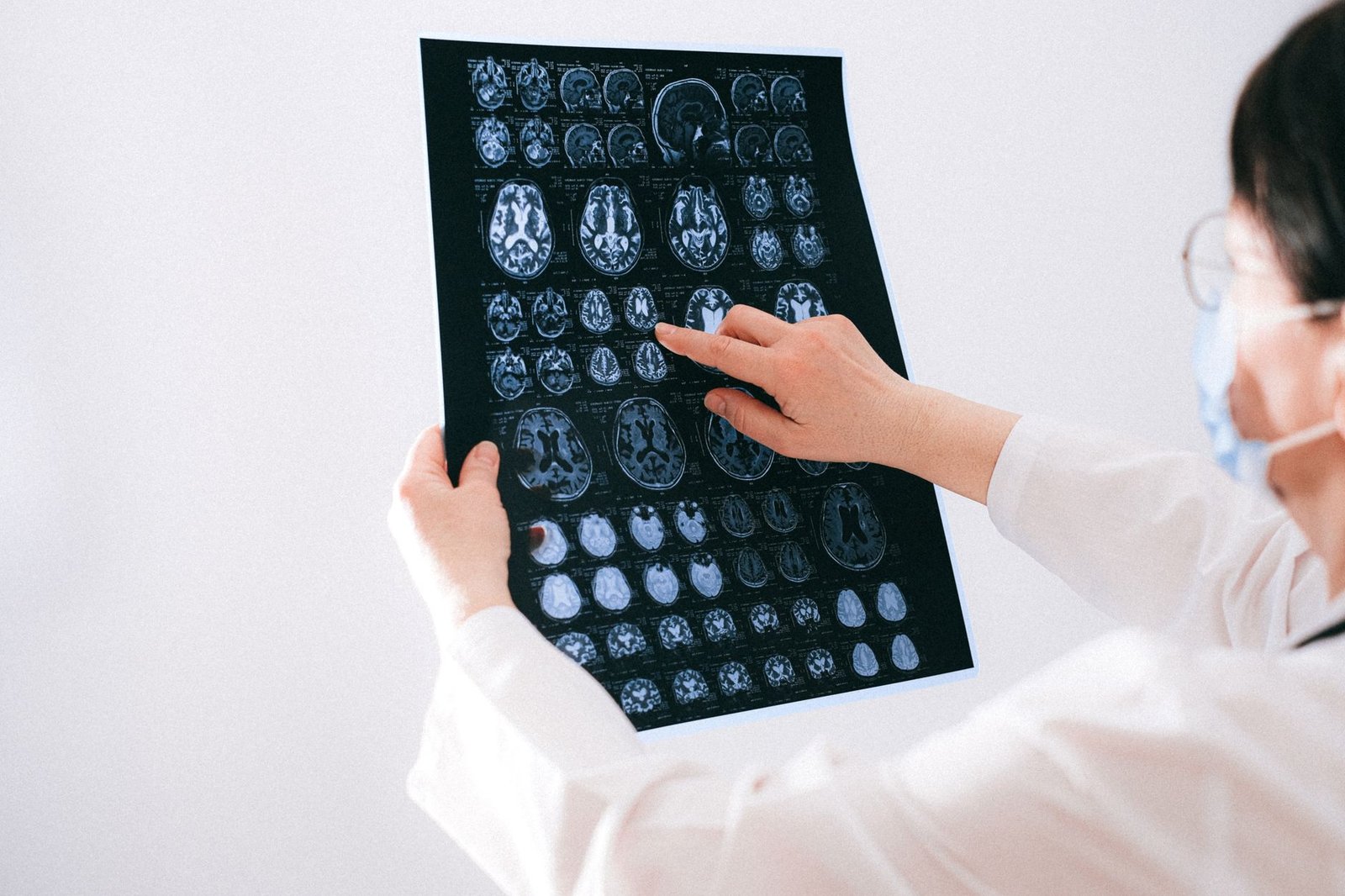
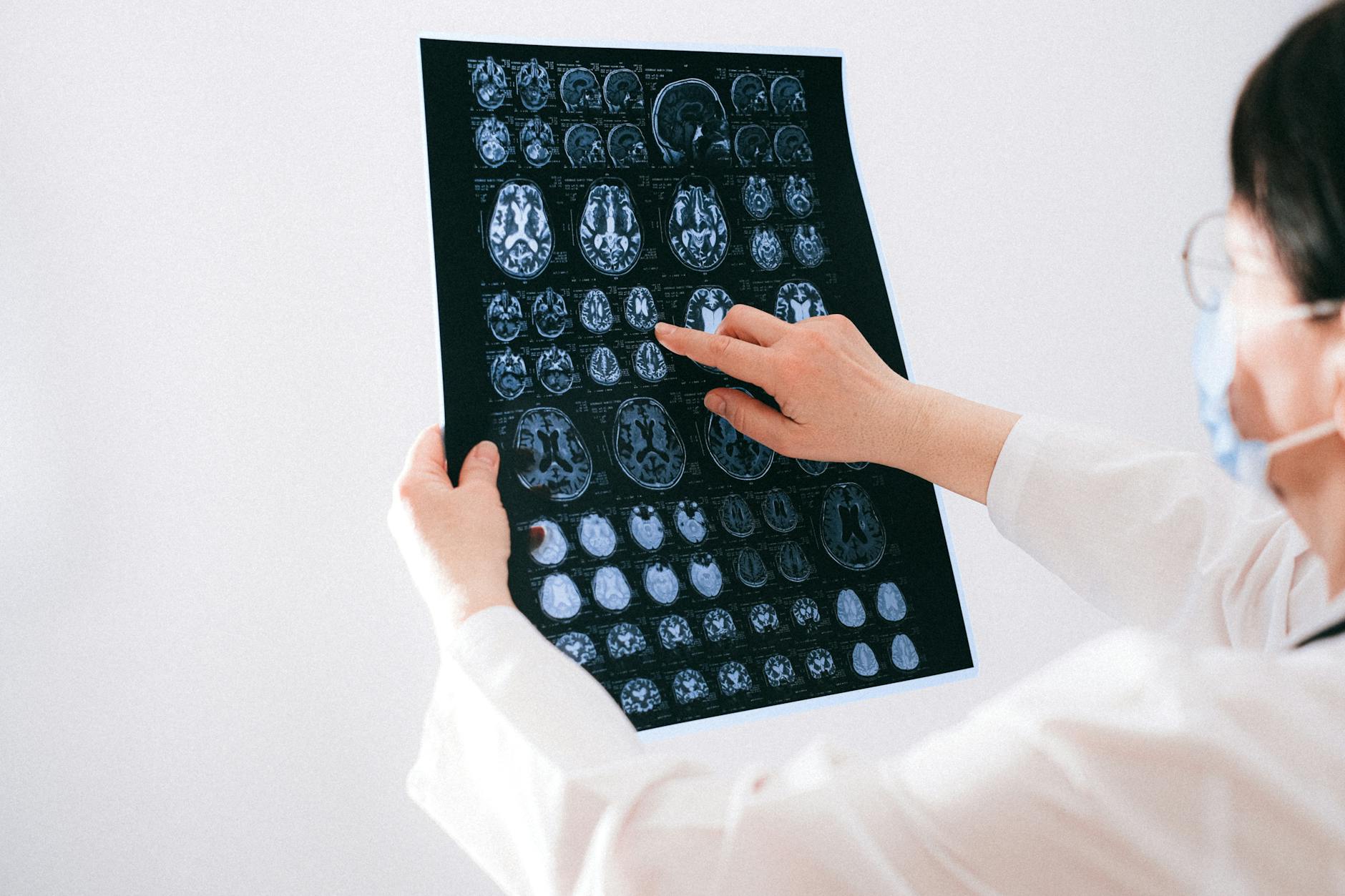
When a case is predicated on a misunderstanding of neurological pathology—such as an interpretation of imaging or the application of diagnostic criteria—the expert should alert the court to these discrepancies. Maintaining an evidence-based position is essential, particularly when pleadings mischaracterise the natural history of a condition, such as the progression of neurodegenerative disease or post-stroke rehabilitation trajectories.
Identifying Flawed Clinical Premises in Neurology
Neurological litigation often relies upon outcomes that require careful interpretation. Common areas where experts should exercise rigour include:
- TBI and Cognitive Impairment: Distinguishing between the sequelae of true diffuse axonal injury and the clinical overlap with post-concussion syndrome requires detailed correlation of clinical scores and psychometric data, rather than reliance on subjective reporting.
- FND and Organic Pathology: Legal teams may occasionally conflate functional symptoms with non-organic causes. Experts should apply established diagnostic signs and clarify the distinction between functional and structural pathology to assist the court in understanding the clinical presentation.
- Stroke Causation: Misconceptions regarding the timeline for interventions or the potential for functional gain as measured by clinical scales can lead to errors in the assessment of care needs. Experts should evaluate these against established therapeutic windows and individual neurological status.
- Epilepsy and Regulatory Standards: Litigation may involve assertions of causation linked to seizure activity. It is the expert’s role to define risk thresholds accurately, consistent with current neurological standards, rather than adopting a party’s characterisation of accident causation.
The Expert’s Role in Causation and Apportionment
The legal test for causation, involving the ‘but-for’ analysis, frequently encounters challenges in neurology. While the ‘eggshell skull’ principle is a recognised legal concept regarding the extent of loss, the expert must distinguish between the exacerbation of a pre-existing condition and the natural progression of a neurodegenerative process.
When pleading assumptions are based on outdated or non-clinical causal theories, the expert’s report should clarify these inaccuracies. This is relevant in breach of duty cases where the claimant asserts a failure of consent under the Montgomery standard, or a breach of care under the principles of Bolam and Bolitho. If the pleading assumes that a specific intervention would have altered the outcome, the neurologist should address whether such a premise is supported by clinical evidence.
Practical Guidance for Instructing Solicitors
To ensure that the expert’s report provides maximum utility to the court, solicitors should consider the following:
- Comprehensive Records: Ensure the expert has access to all pertinent primary clinical notes, diagnostic imaging, and rehabilitation reports.
- Specific Questioning: Framing instructions to focus on specific clinical findings helps the expert address the evidence directly.
- Early Scrutiny of Pleadings: If an expert identifies a clinical misconception, discuss the technical basis of the error before finalising reports.
- Joint Statements: Where the court directs, experts may participate in discussions and produce a joint statement to narrow issues. It is important to distinguish this from the appointment of a single joint expert, whose instructions are governed by CPR 35.8.
By engaging consultants who understand the necessity of reconciling legal pleadings with rigorous neurological evidence, legal teams can ensure their cases remain robust. Experts should provide clear, independent reasoning, particularly when the clinical reality differs from the theory presented in the pleadings, to ensure compliance with the requirements of CPR Part 35. The expert’s role is to provide the court with an objective assessment, ensuring that the evidence remains both procedurally compliant and clinically accurate.
This article is for general informational purposes only and does not constitute legal or medical advice. Readers should seek appropriate professional guidance.