
Head Injury Compensation Calculator: How UK Damages Are Assessed

Head Injury Compensation Calculator: How UK Damages Are Assessed
In UK medico-legal practice, the concept of a simple, automated “head injury compensation calculator” is a misnomer. The assessment of damages following a head injury, whether due to personal injury or clinical negligence, is a profoundly complex and individualised process. It necessitates a thorough understanding of neurological injury, its multifaceted sequelae, and the intricate legal principles governing compensation. For solicitors, barristers, insurers, and Court of Protection professionals, comprehending this assessment framework is fundamental to achieving just outcomes.
Understanding the Neurological Impact of Head Injuries
Head injuries encompass a wide spectrum of presentations, from mild concussion to severe traumatic brain injury (TBI). The severity and type of injury dictate the long-term prognosis and, consequently, the potential for compensation. Consultant neurologists are crucial in accurately diagnosing and characterising these injuries.
Traumatic Brain Injury (TBI): TBI results from external force to the head. Its impact can be devastating, leading to diverse and enduring deficits. Key considerations include:
- Cognitive Impairment: This can manifest as issues with memory, attention, executive function (planning, problem-solving), processing speed, and language. Even mild TBI can result in subtle, yet debilitating, cognitive difficulties, often described as post-concussion syndrome (PCS). PCS symptoms, such as headaches, dizziness, fatigue, and irritability, can persist for months or years, significantly affecting a person’s quality of life and vocational capacity.
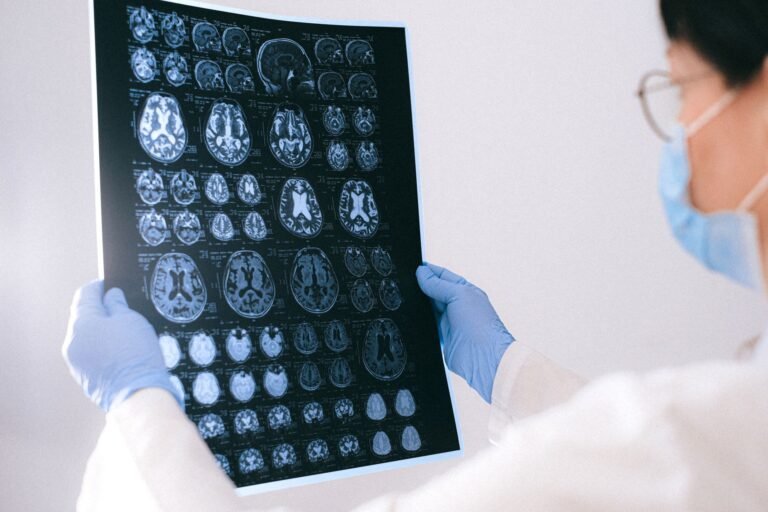
- Diffuse Axonal Injury (DAI): A common and often severe form of TBI, DAI involves the shearing of nerve fibres throughout the brain, particularly in white matter tracts. It can occur even without a direct impact if there is sudden acceleration/deceleration, leading to widespread neurological dysfunction. Its diagnosis often relies on advanced imaging techniques and expert interpretation.
- Behavioural Sequelae: Changes in personality, mood disturbance, irritability, aggression, apathy, and disinhibition are common after TBI. These can have profound effects on family relationships, social integration, and employment, requiring extensive rehabilitation and support.
- Functional Outcomes: Scales such as the Glasgow Outcome Scale (GOS) – which ranges from death (1) to good recovery (5) – or its extended version (GOSE) are frequently used to assess the global functional status of individuals after TBI. Expert neurologists will evaluate these outcomes alongside detailed clinical examination and neuropsychological assessment.
Other neurological conditions, while not direct head injuries, can arise from trauma or negligence, such as stroke or epilepsy. For stroke, thrombolysis windows and the implications of treatment delay are critical in clinical negligence claims, as is assessing functional prognosis using tools like the modified Rankin Scale (mRS). In epilepsy cases, expert opinion on seizure risk frameworks, DVLA driving regulations (specifically the cardiovascular and neurological standards for driving), and accident causation (whether a seizure caused an accident or was precipitated by one) is often required.
Functional Neurological Disorder (FND) can also arise in medico-legal contexts. Expert neurologists distinguish FND from organic injury by identifying positive signs, such as Hoover’s sign for functional leg weakness, rather than relying solely on the absence of organic findings. Medico-legal disputes often arise regarding symptom validity and causation.
Assessing Damages: Beyond a Head Injury Compensation Calculator
Compensation for head injuries is categorised into general and special damages. The assessment is not a matter of plugging figures into a “head injury compensation calculator” but involves meticulous, expert-led evaluation.
General Damages: These compensate for pain, suffering, and loss of amenity (PSLA). The Judicial College Guidelines for the Assessment of General Damages provide broad ranges, but the specific figure depends entirely on the unique impact of the injury on the claimant. Factors considered include:
- The severity and duration of physical and cognitive symptoms.
- Impact on pre-injury lifestyle, hobbies, and social activities.
- Loss of independence and quality of life.
- Psychological and psychiatric consequences, including depression, anxiety, and PTSD.
Special Damages: These cover quantifiable financial losses incurred as a direct result of the injury, both past and future. They are often the largest component of a head injury claim. Examples include:
- Loss of Earnings: Past and future loss of income, including pension losses.
- Care Needs: The cost of professional or gratuitous care, from basic assistance to 24-hour complex care. This often necessitates input from an occupational therapist and care expert, guided by the neurologist’s prognosis.
- Rehabilitation Costs: Physiotherapy, occupational therapy, speech and language therapy, neuropsychological rehabilitation, and vocational rehabilitation.
- Medical Expenses: Costs of private treatment, medication, and specialist equipment.
- Accommodation: Costs for adaptations to existing property or the purchase of a more suitable home.
- Aids and Equipment: Wheelchairs, communication aids, home automation, etc.
The Role of the Expert Neurologist in Compensation Claims
A consultant neurologist provides the foundational medical evidence upon which the entire head injury compensation calculation rests. Their reports are pivotal for the court and all parties involved. This involves:
- Diagnosis and Prognosis: Confirming the nature and extent of the head injury and providing an opinion on long-term functional recovery, including residual symptoms, disability, and life expectancy. The Glasgow Outcome Scale (GOS) and modified Rankin Scale (mRS) are often used to articulate prognosis.
- Causation: Determining whether the alleged incident caused or materially contributed to the head injury and its sequelae. This involves careful consideration of pre-existing conditions and the application of legal tests for causation (e.g., ‘but for’ test, material contribution as per Bailey v Ministry of Defence [2008], or material increase in risk as per Williams v Bermuda Hospitals Board [2016]). The ‘eggshell skull’ rule (Smith v Leech Brain [1962]) is also relevant here.
- Impact Assessment: Detailing the specific impact of the injury on the claimant’s daily activities, independence, capacity to work, and overall quality of life. This includes cognitive impairment, behavioural sequelae, and physical limitations.
- Treatment and Rehabilitation Needs: Recommending appropriate medical, therapeutic, and care interventions, and estimating their likely costs.
- Capacity Assessment: Where concerns arise, assessing the claimant’s capacity under the Mental Capacity Act 2005, specifically their functional ability to understand, retain, weigh, and communicate decisions regarding their litigation, personal welfare, or property and affairs. This is vital for Court of Protection proceedings.
Expert neurologists provide various report types, including Screening & Merits, Breach of Duty, Causation, Combined Breach & Causation, Condition & Prognosis, Life Expectancy, and acting as Single Joint Experts (SJE). They also participate in Joint Statements, ensuring CPR Part 35 compliance and facilitating dispute resolution.
Legal Principles and Challenges in Head Injury Claims
Several legal principles underpin the assessment of head injury claims:
- Causation: Beyond the ‘but for’ test, cases involving multiple potential causes or pre-existing vulnerabilities require nuanced expert input. The scope of duty, as clarified in Khan v Meadows [2021], can also be a critical factor. Apportionment of damages may be necessary where an injury has multiple causes or where a claimant’s pre-existing condition was likely to deteriorate irrespective of the incident.
- Clinical Negligence: For breach of duty, the Bolam v Friern Hospital Management Committee [1957] test, modified by Bolitho v City and Hackney Health Authority [1998], establishes whether a clinician acted in accordance with a responsible body of medical opinion. Issues of informed consent are governed by Montgomery v Lanarkshire Health Board [2015], requiring patients to be informed of material risks.
- Capacity: A claimant’s capacity to litigate is an ongoing consideration. If they lack capacity, a litigation friend must be appointed, and any settlement requires court approval. The Mental Capacity Act 2005’s functional test, assessing the ability to understand, retain, weigh, and communicate, is central to these determinations.
- Limitation: The Limitation Act 1980 dictates time limits for bringing claims, though exceptions exist, particularly for claimants lacking capacity.
Common pitfalls in these cases include over-reliance on initial imaging without considering delayed onset symptoms, inadequate assessment of subtle cognitive or behavioural changes, and the challenges of distinguishing between organic injury and functional symptoms, which requires sophisticated differential diagnosis.
Conclusion
The calculation of head injury compensation in the UK is a bespoke and highly detailed process, far removed from the simplicity of a “head injury compensation calculator”. It demands the highest level of neurological expertise combined with a robust understanding of medico-legal principles. Consultant neurologists provide the vital evidence that underpins every stage of the claim, from initial screening to final prognosis and damages assessment. Engaging with experts who offer speed, reliability, and CPR compliance is paramount for solicitors and other legal professionals seeking to achieve fair and appropriate outcomes for individuals affected by head injuries.
This article is for general informational purposes only and does not constitute legal or medical advice. Readers should seek appropriate professional guidance.