
Structuring Expert Witness Reports: Compliance with CPR 35.10
The Importance of Structural Precision in Neurological Reporting
In civil litigation, the clinical integrity of a neurological report is supported by the legal framework of the Civil Procedure Rules (CPR). For instructing solicitors and counsel, the transition from clinical narrative to expert evidence requires adherence to Practice Direction 35, which defines the content requirements under CPR 35.10. A neurological expert witness must balance the complexity of conditions—such as traumatic brain injury (TBI), diffuse axonal injury, or neurodegenerative progression—with the procedural mandate to assist the court clearly and independently.
Failure to align clinical methodology with civil procedure rules may result in reports being challenged during disclosure or trial. Maintaining procedural rigour in report writing ensures that the expert’s analysis of complex neurological sequelae remains robust while addressing issues of breach, causation, or condition and prognosis.
Structuring the Neurological Expert Report
Under CPR 35.10, the report must be addressed to the court and contain the substance of the expert’s evidence. In neurology, the structure typically reflects the specific instructions received, whether for a merits assessment, breach of duty, or long-term care needs analysis. A compliant report should incorporate:
- A chronological summary of neurological presentation, documenting pre-existing conditions and post-accident functional status.
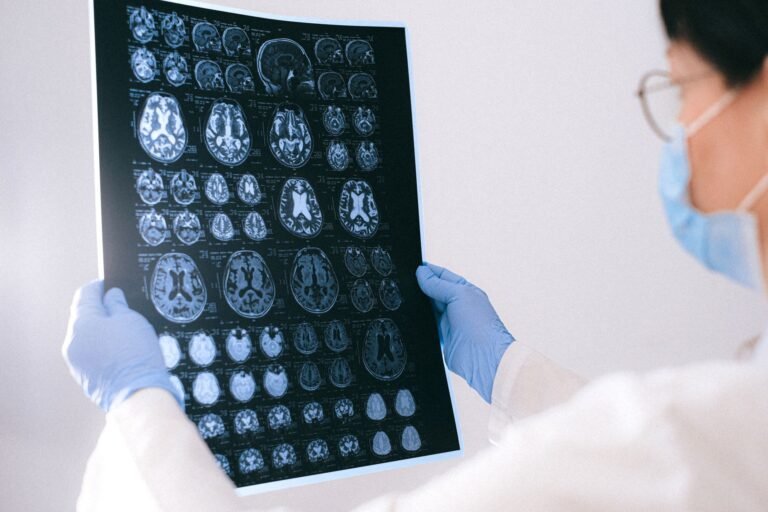
- Analysis of clinical findings, including neuro-imaging (MRI, DTI, or CT) and electrophysiological data, cross-referenced with validated functional status scales where applicable.
- Application of established legal tests for clinical negligence, distinguishing between accepted neurological practice and potential deviation.
- Evaluation of causation, applying the ‘but-for’ analysis to complex multifactorial conditions such as Functional Neurological Disorder (FND) or delayed stroke intervention.
- A formal statement of truth and explicit confirmation that the expert is aware of and has complied with the requirements of Part 35.
Addressing Clinical Challenges and Diagnostic Dispute
Neurological disputes often arise when objective findings differ from subjective patient symptoms, particularly in post-concussion syndrome (PCS) or FND. A common pitfall is diagnostic overreach, where an expert draws definitive conclusions without acknowledging the limitations of current diagnostic frameworks. Under CPR 35.10, the expert must clearly identify when a clinical opinion is based on limited information or where there is a range of responsible expert opinion. In FND cases, assessments often rely on clinical observations rather than definitive diagnostic exclusion; the expert should delineate the basis of their conclusions clearly.
When assessing capacity, the expert must relate findings to the Mental Capacity Act 2005. The functional test—evaluating the ability to understand, retain, weigh, and communicate information—should be articulated in a manner that informs the Court of Protection regarding the patient’s ability to conduct litigation or manage property and affairs.
The Role of the Expert Witness in Causation
Neurologists are frequently asked to assess the interaction between pre-existing pathology and incident-related trauma. Whether applying the ‘eggshell skull’ principle or distinguishing new injury from pre-existing neurodegeneration, the expert must maintain scientific objectivity. The legal test for causation remains the ‘but-for’ analysis, which in neurology may involve assessing whether an intervention, such as thrombolysis, would have altered the functional prognosis in the context of the specific clinical window.
Experts should avoid speculative attribution. Where causality is uncertain, the expert should articulate the limitations of the evidence. Providing clear, non-leading questions remains essential to ensure the report directly assists the court without straying into advocacy.
Effective Expert Engagement
Solicitors should ensure that instruction letters provide all relevant medical records and imaging to avoid the expert having to qualify their opinion due to incomplete data. Experts must be mindful of the distinction between individual reports and joint statements. Under CPR 35.12, experts may be directed by the court to discuss their opinions to narrow the issues; this process is distinct from the appointment of a single joint expert under CPR 35.7. When a single joint expert is appointed, instructions are governed by CPR 35.8. Maintaining these procedural distinctions is essential for clarity in the final hearing.
By focusing on clinical accuracy, clear evidence traceability, and rigid adherence to the procedural requirements of CPR 35.10, neurological reports serve as the foundation for fair adjudication. Prioritising these standards facilitates efficiency in the litigation process, ensuring that the court receives the high-quality neurological expertise required for informed decision-making.
See our neurology medico-legal reports page for what the report covers and how to instruct.
This article is for general informational purposes only and does not constitute legal or medical advice. Readers should seek appropriate professional guidance.