Mild TBI Expert Assessment in Litigation
Understanding the Neuro-Biological Basis of Mild TBI
In civil litigation, a mild traumatic brain injury (TBI) expert assessment is often the pivotal point upon which a claim’s success or failure turns. Because the symptoms of mild TBI—such as fatigue, cognitive slowing, and emotional dysregulation—are largely subjective, the neurologist’s role is to scrutinise the medical records, assess clinical presentation, and apply rigorous diagnostic reasoning to differentiate genuine pathology from symptom amplification or alternative aetiologies.
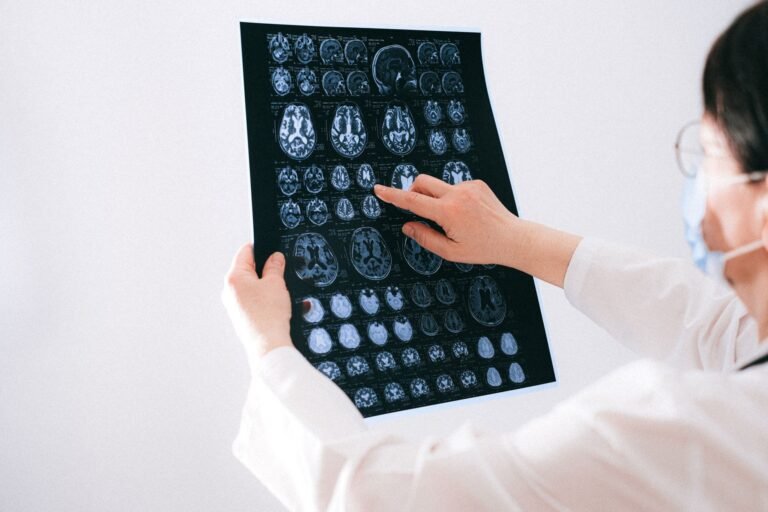
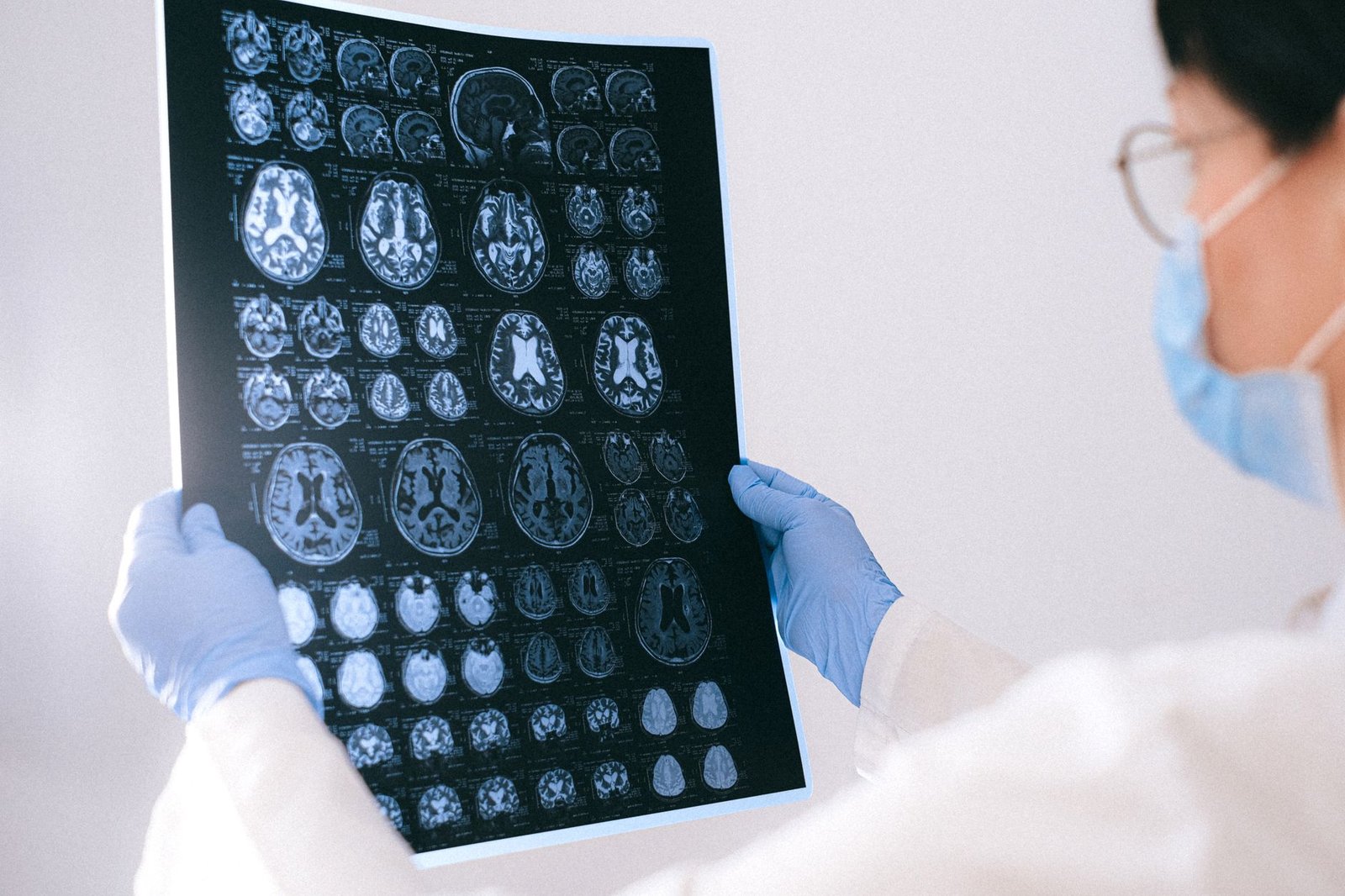
A mild TBI, often described as a concussion, involves a temporary disruption of brain function following an external force. While structural damage, such as an intracranial haemorrhage, is frequently absent on routine neuroimaging, this does not exclude the possibility of microscopic axonal injury. Neurologists evaluate the patient’s presentation by mapping early symptoms against the documented trajectory of recovery. The persistence of symptoms beyond the anticipated recovery window is sometimes categorised as post-concussion syndrome, though clinicians must exercise caution to ensure this diagnostic label is not applied to non-specific complaints that may arise from other factors.
When addressing causation in mild TBI claims, the expert must evaluate whether the documented cognitive and behavioural sequelae are more likely than not the result of the index event. This requires a granular review of pre-morbid health, employment history, and personality. In cases of contested causation, the expert must disentangle the effects of the index injury from pre-existing neurological or psychiatric conditions, applying the principle of apportionment if necessary. The expert’s independence, as required by CPR Part 35, is fundamental to ensure the court receives objective evidence rather than advocacy.
Differentiating Organic Injury from Functional Neurological Disorder
A frequent challenge in neurology medico-legal practice is the presence of symptoms that do not correspond to known anatomical pathways. Functional Neurological Disorder (FND) involves the presence of neurological symptoms that are real to the patient but not attributable to structural damage. The expert witness must perform a physical examination to identify positive clinical signs, such as Hoover’s sign, which help differentiate functional weakness from neurological pathology.
Misidentifying FND as an organic injury, or vice-versa, has significant implications for both prognosis and quantum. The expert must remain alert to the risk of diagnostic overreach and ensure that the report reflects the available objective data. Where there is a dispute regarding symptom validity, the expert may consider the use of validated neuropsychological assessment tools, though these must be interpreted within the wider context of the patient’s overall neurological and psychiatric health.
The Role of the Expert in Causation and Prognosis
In cases where liability is disputed, the expert’s report must address the standard legal test for causation. In personal injury claims, the primary focus is often on the ‘but-for’ analysis. The neurologist acts to clarify whether the claimant’s current functional deficits would have manifested in the absence of the index trauma, or whether they are part of a naturally evolving pre-existing process, such as ageing or other comorbid conditions.
Prognosis articulation requires an understanding of the long-term sequelae of head trauma. The Glasgow Outcome Scale is often used as a baseline, but solicitors should note that it may lack the sensitivity required to capture subtle cognitive or vocational deficits that impact upon a claimant’s ability to work. An effective report will explicitly set out the rationale for why a particular long-term prognosis has been adopted, referring to established clinical trends rather than relying on speculation.
Practical Guidance for Instructing Solicitors
To ensure a robust expert assessment, solicitors should focus on providing a comprehensive set of records, including GP notes, historic school reports, and occupational health reviews. A clear chronology is essential for the expert to understand the evolution of the claimant’s symptoms. In terms of instruction, it is helpful to ask specific questions regarding the relationship between the mechanism of injury and the subsequent clinical findings.
- Ensure early instruction to facilitate a clinical examination closer to the time of the incident, which can be critical for assessing acute versus chronic symptoms.
- Provide detailed evidence of pre-morbid functioning to assist the expert in establishing a baseline for cognitive and behavioural changes.
- Request a review of any prior imaging, including raw data where available, to confirm the absence or presence of subtle structural changes.
- Where the court has directed the appointment of a single joint expert, refer to CPR Part 35.8 regarding the instruction of such experts. If there is a divergence of opinion between party-appointed experts, they may be directed by the court or invited by the parties to hold a discussion under CPR 35.12 to clarify the issues.
Frequently asked questions
How does a neurologist distinguish mild TBI from psychological trauma?
Neurologists utilise detailed clinical history taking and physical examination to identify hallmark neurological markers, such as specific cranial nerve deficits or objective motor signs. While psychological symptoms such as anxiety or depression often overlap with TBI, they are distinct from neurological injury. The expert provides a refined analysis by comparing the onset and nature of symptoms with the neuroanatomical distribution of the injury.
What is the importance of symptom validity in TBI litigation?
Symptom validity is critical because the absence of objective neurological markers means that much of the evidence for a mild TBI is subjective. If an expert identifies inconsistencies during examination, it must be reported neutrally to the court. This assists in ensuring that the quantum of the claim reflects the genuine nature of the injury sustained rather than exaggerated presentations.
Can a TBI cause delayed neurological decline?
While most patients with a mild TBI demonstrate improvement over time, the expert must consider whether the trauma has altered the threshold for the future development of neurodegenerative conditions. This is a complex area of neurological practice requiring careful evaluation of family history, genetic factors, and the severity of the initial injury. The expert will generally rely on longitudinal data to provide a balanced opinion on the risks of long-term cognitive deterioration.
This article is for general informational purposes only and does not constitute legal or medical advice. Readers should seek appropriate professional guidance.