CPR 35-Compliant Neurology Expert Reports in Mild Traumatic Brain Injury: Proving Cognitive and Behavioural Sequelae with Normal Imaging
The Clinical-Legal Challenge: Symptomatology Without Structural Findings
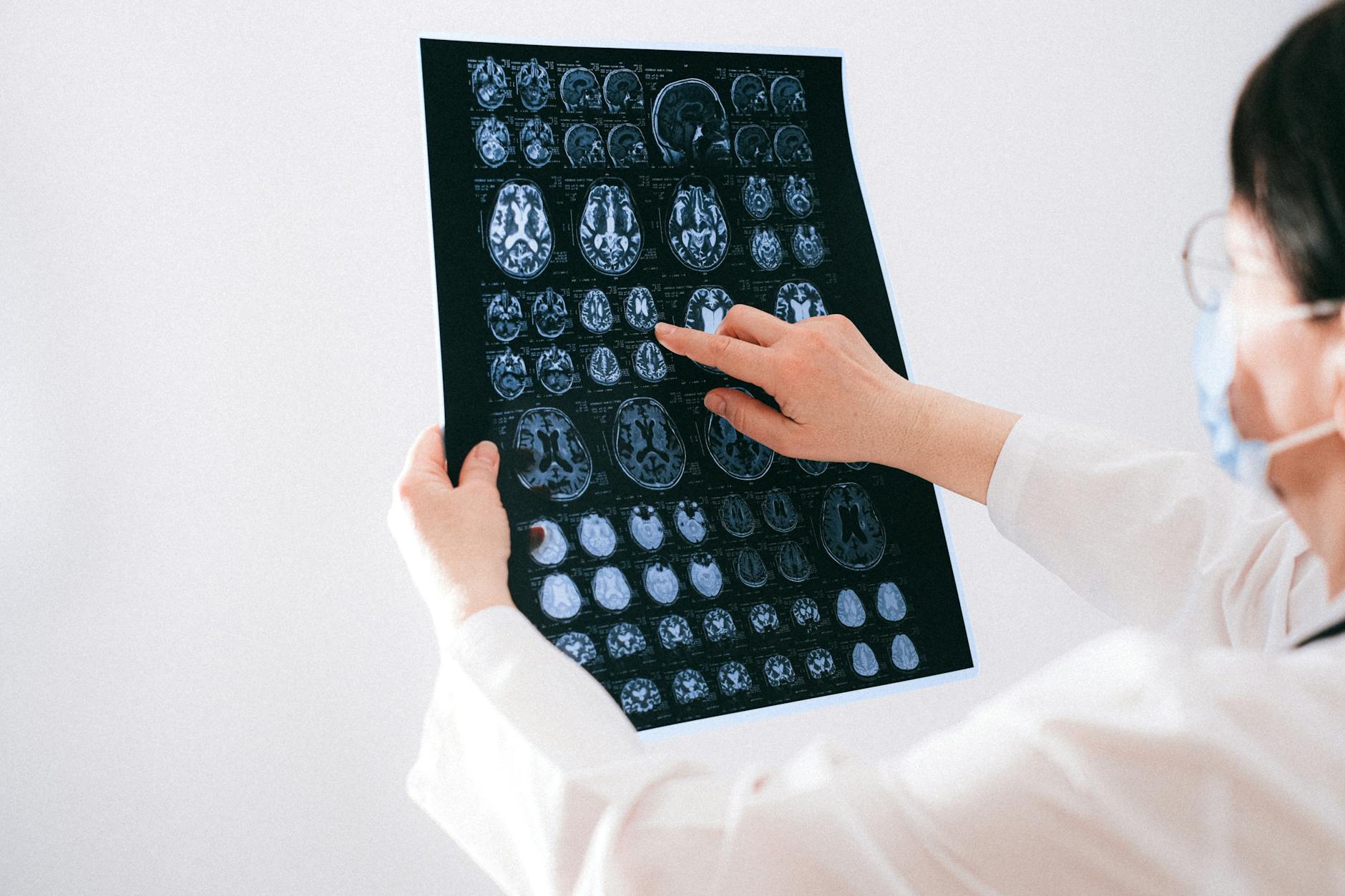
In litigation involving mild traumatic brain injury (TBI), the absence of abnormalities on conventional structural neuroimaging—such as CT or standard MRI—poses a significant evidential challenge. The reliance on subjective reports of cognitive and behavioural change requires a rigorous, evidence-based approach to assessment, ensuring expert testimony remains robust under judicial scrutiny and compliant with the Civil Procedure Rules (CPR).
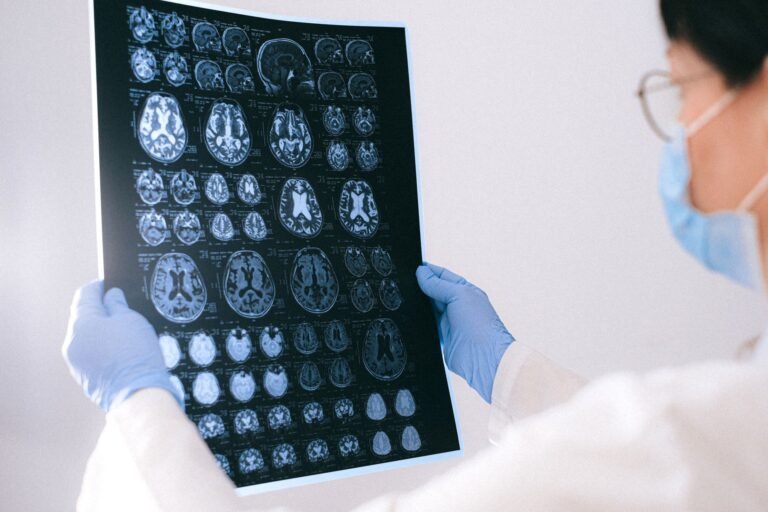
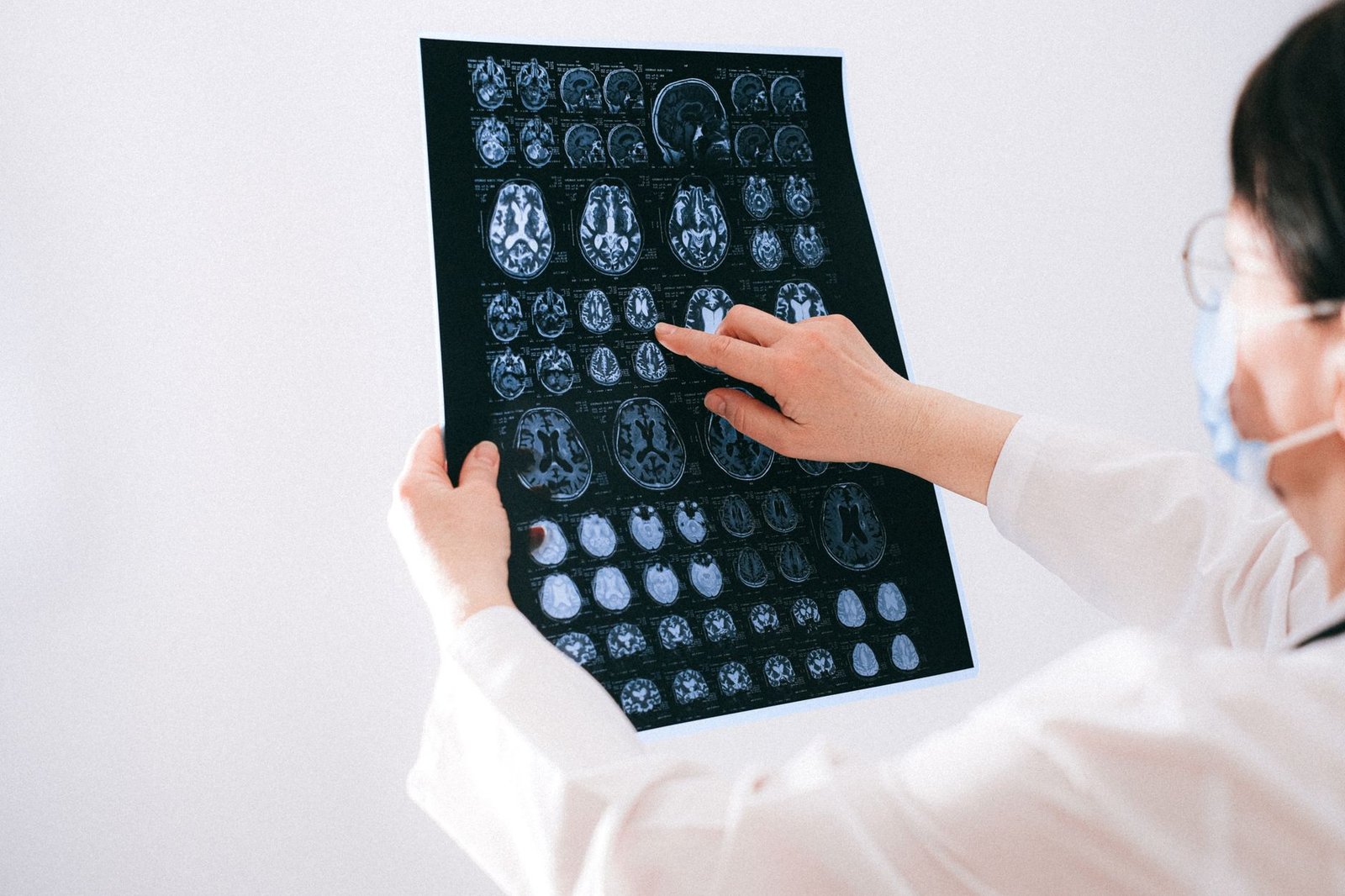
The primary difficulty in mild TBI cases is the discordance between reported symptoms and normal imaging results. Structural imaging is not designed to detect microscopic diffuse axonal injury (DAI) or neurometabolic changes that may result from minor head impacts. Consequently, the expert’s role shifts from identifying focal lesions to interpreting patterns of post-concussion syndrome (PCS) and functional impairments.
To establish the initial severity of the injury, experts should review contemporaneous records, including the Glasgow Coma Scale (GCS) score at the scene, the duration of post-traumatic amnesia (PTA), and emergency department observations. Under CPR 35.10, an expert report must provide a statement of the range of opinion and the reasons for it, particularly where the clinical presentation appears disproportionate to the initial impact.
Assessing Cognitive and Behavioural Sequelae
When imaging is normal, neurologists must rely on standardised assessment tools and clinical observation. The expert should consider whether identified deficits align with the known neuroanatomical consequences of a closed-head injury. This involves distinguishing between organic brain injury and alternative pathologies, such as functional neurological disorder (FND), where clinical signs may support an alternative diagnosis.
To address causation, experts should:
- Evaluate pre-existing conditions, including pre-morbid cognitive, psychiatric, or neurological history, to ensure proper apportionment in accordance with the “eggshell skull” principle (Smith v Leech Brain).
- Assess the impact of concurrent factors, such as post-traumatic stress or chronic pain, which may exacerbate or mimic cognitive symptoms.
- Consider the use of performance validity tests (PVTs) where appropriate to assist the court in evaluating the reliability of reported symptoms.
Procedural Compliance and Expert Independence
Under CPR 35.3, the expert’s overriding duty is to the court, not to the instructing party. This duty is paramount in mild TBI cases, where evidence is often subjective. When preparing a condition and prognosis report, the neurologist must maintain neutrality, particularly when cross-referencing records from other specialties, such as neuropsychology or psychiatry.
If instructed as a single joint expert under CPR 35.7, the expert must ensure the independence of their analysis, treating the instruction as a balanced inquiry rather than an advocacy-based exercise. Where separately instructed experts are involved, the court may direct discussions under CPR 35.12, resulting in a joint statement that identifies points of agreement and disagreement. This process helps narrow the issues for the court, particularly regarding prognosis or the necessity for specific care regimes.
For further context on instructing experts in brain injury cases, see the specialist guidance on brain injury assessments.
Practical Guidance for Instructing Professionals
To facilitate a robust neurology expert report, solicitors should provide comprehensive contemporaneous records, including primary care notes, GP referral letters, and rehabilitation programme records. Experts are better positioned to form an opinion when they can contextualise current complaints within the timeline of the injury and any subsequent recovery or plateau.
Common pitfalls in these claims include:
- Failure to address the “but-for” test of causation clearly in light of competing histories.
- Over-reliance on patient self-reporting without corroborating functional evidence from occupational therapy or neuropsychometric assessments.
- Misapplication of the Bolam/Bolitho principles, where the expert’s reasoning may be tested against the consensus of a responsible body of neurological opinion.
A well-structured report should acknowledge the limitations of structural imaging while documenting consistent, longitudinal evidence of functional deficit. This provides the court with a clear basis for determining quantum and future needs.
This article is for general informational purposes only and does not constitute legal or medical advice. Readers should seek appropriate professional guidance.