Traumatic Brain Injury Compensation: 2026 Judicial College Guidelines Explained
Traumatic Brain Injury Compensation: 2026 Judicial College Guidelines Explained
Valuing claims involving traumatic brain injury (TBI) presents unique challenges in personal injury and clinical negligence litigation. The lifelong impact of TBI demands a thorough understanding of its neurological consequences, combined with precise application of legal frameworks. With the 2026 Judicial College Guidelines (JCG) approaching, legal professionals must prepare to assess traumatic brain injury compensation with enhanced clarity and rigour.
This guide offers solicitors, barristers, insurers, and Court of Protection professionals an expert neurological perspective on TBI assessment, compensation principles, and the critical role of robust expert evidence.
Understanding Traumatic Brain Injury and Neurological Consequences
Traumatic brain injury spans a spectrum from mild concussions to severe, life-altering damage. A neurologist’s assessment is essential to characterise the injury’s nature and extent. Key considerations include:
- Cognitive Impairment: TBI often causes deficits in memory, attention, and executive function, affecting work, education, and independence. Neuropsychological assessments quantify these deficits.
- Post-Concussion Syndrome (PCS): Symptoms like headaches, dizziness, and fatigue may persist after mild TBI. Expert opinion must differentiate PCS from other conditions.
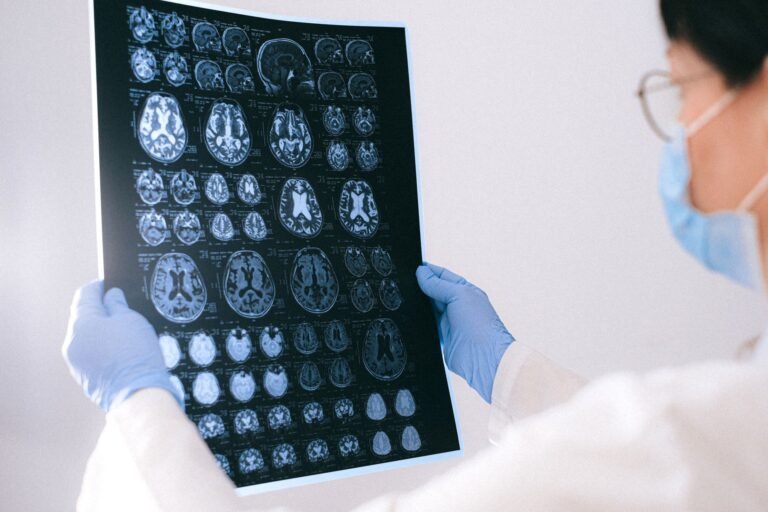
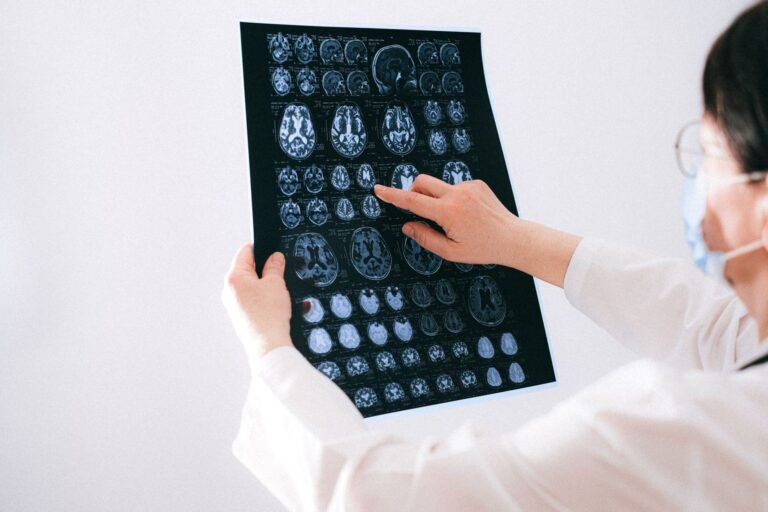
- Diffuse Axonal Injury (DAI): A severe consequence of TBI, DAI involves nerve fibre damage detectable via advanced MRI techniques like Diffusion Tensor Imaging (DTI).
- Behavioural Changes: TBI can alter personality, mood, and behaviour, impacting relationships and care needs. Documentation is critical for compensation claims.
- Functional Outcome Measures: Scales like the Glasgow Coma Scale (GCS) and Glasgow Outcome Scale (GOS) assess injury severity and long-term prognosis.
- Post-Traumatic Epilepsy Risk: Severe TBI may increase epilepsy risk, influencing driving regulations and occupational limitations.
The 2026 Judicial College Guidelines and TBI Compensation
The JCG provides the primary reference for general damages in England and Wales. The 2026 edition will update TBI awards based on severity and resulting deficits. A neurologist’s report is pivotal in placing a claimant’s injuries within the appropriate JCG bracket, detailing cognitive impairment, behavioural sequelae, and functional limitations.
General damages often represent a fraction of the total claim. Special damages—covering loss of earnings, care costs, rehabilitation, and accommodation adaptations—typically form the largest proportion. The neurological report underpins these calculations by defining the injury’s extent, prognosis, and life expectancy.
Causation, Prognosis, and Capacity in TBI Claims
Causation Challenges
Expert evidence must establish whether the incident or negligence caused the TBI and its sequelae. In clinical negligence, this involves the ‘but for’ test or material contribution principles (e.g., Bailey v Ministry of Defence). Differentiating pre-existing conditions is vital, though the ‘eggshell skull’ rule applies.
Prognosis Articulation
Neurologists define long-term prognosis, including:
- Ongoing cognitive impairment and its impact on independence.
- Future rehabilitation and therapy needs.
- Long-term care requirements.
- Secondary complications like post-traumatic epilepsy or neurodegeneration.
Mental Capacity Implications
Severe TBI may affect mental capacity under the Mental Capacity Act 2005. Neurologists assess whether a claimant can understand, retain, and weigh decisions, informing Court of Protection involvement.
Differentiating Organic Injury from Functional Neurological Disorder (FND)
Disputes may arise over whether symptoms stem from organic injury or FND. Neurologists distinguish between the two using positive diagnostic signs, ensuring compensation reflects the true extent of organic damage.
The Neurologist’s Role as an Expert Witness
Neurologists provide impartial, CPR Part 35-compliant reports to assist the court. Their duties include:
- Reviewing medical records and conducting examinations.
- Addressing diagnosis, causation, prognosis, and care needs.
- Preparing for joint statements under CPR 35.12.
Common pitfalls include over-reliance on subjective symptoms or exceeding expertise boundaries (e.g., detailed care plans). Rehabilitation potential is identified, though detailed plans require input from neuro-rehabilitation experts.
Determining fair traumatic brain injury compensation demands an evidence-based approach. Consultant neurologists deliver robust, CPR-compliant reports tailored to each case’s complexities.
This article is for general informational purposes only and does not constitute legal or medical advice. Readers should seek appropriate professional guidance.