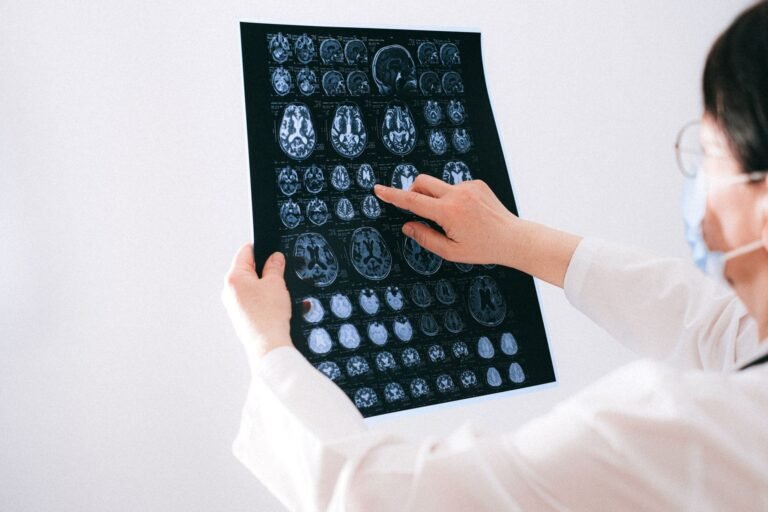

Motor Neurone Disease and Occupational Exposure: Emerging Evidence in Industrial Disease Claims

Motor Neurone Disease and Occupational Exposure: Emerging Evidence in Industrial Disease Claims
Motor Neurone Disease (MND) is a devastating, progressive neurodegenerative condition affecting motor neurones in the brain and spinal cord. While its aetiology remains unclear, research increasingly implicates a complex interplay of genetic predisposition and environmental factors. The potential link between occupational exposures and MND has become a significant focus of scientific research and UK industrial disease claims. For solicitors, insurers, and Court of Protection professionals, understanding the clinical and legal nuances in such cases is essential. Establishing causation and prognosis requires specialist neurological expertise.
The Clinical Picture of Motor Neurone Disease and Potential Exposures
MND encompasses conditions such as Amyotrophic Lateral Sclerosis (ALS), characterised by progressive weakness, muscle wasting, and fasciculations. Diagnosis relies on the El Escorial or Awaji criteria, requiring clinical assessment and electrophysiological studies to exclude mimics like Multifocal Motor Neuropathy or Functional Neurological Disorder (FND).
While most MND cases are sporadic, research explores environmental and occupational risk factors, including:
- Pesticides and herbicides: Agricultural chemicals such as organochlorines and organophosphates have been linked to increased MND risk.
- Heavy metals: Lead and mercury exposure has been hypothesised, though causal links remain unproven.
- Electrical occupations: Higher MND prevalence is noted among electrical trades, though mechanisms are unclear.
- Solvents and welding fumes: Certain solvents and welding components are investigated as potential neurotoxins.
- Military service: Increased MND risk is recognised among Gulf War veterans, though specific exposures are under investigation.
These associations highlight the complexity of establishing direct causation in individual cases. A neurology expert witness must review the evidence base, acknowledging the multifactorial nature of MND and the limitations of epidemiological data.
Legal Challenges in Establishing Causation and Breach of Duty
The primary hurdle in MND industrial disease claims is proving causation. Claimants must demonstrate, on the balance of probabilities, that occupational exposure materially contributed to MND development. This is a higher standard than mere association.
The ‘Material Contribution’ Test
Given MND’s multifactorial nature, direct ‘but for’ causation is rarely provable. Legal professionals often rely on the ‘material contribution’ test, established in cases like Bailey v MoD and Williams v Bermuda Hospitals Board. This test allows liability where a defendant’s breach materially contributed to the injury, even if other factors were involved. An expert neurologist must opine whether the exposure significantly increased the risk or accelerated disease onset.
Breach of duty typically involves allegations of employer negligence, such as failing to provide a safe working environment or adequate protective equipment. The Bolam and Bolitho tests determine whether employer actions fell below reasonable standards. The Limitation Act 1980 also presents challenges due to disease latency periods.
The Role of the Neurology Expert Witness
In MND claims, the expert neurologist’s role is pivotal under CPR Part 35. Their remit includes:
- Diagnostic confirmation: Ensuring accurate MND diagnosis and ruling out mimics like FND.
- Occupational history review: Analysing exposure duration, intensity, and correlation with industrial hygiene reports.
- Causation analysis: Evaluating scientific literature to assess exposure-MND links, distinguishing correlation from causation.
- Prognosis and life expectancy: Articulating disease progression, functional prognosis, and life expectancy for damages assessment.
- Capacity assessment: Assessing cognitive impairment under the Mental Capacity Act 2005, particularly with bulbar involvement.
Experts must avoid overstating causal links without robust evidence. The ‘eggshell skull’ rule may apply where pre-existing vulnerability is argued.
Practical Guidance for Solicitors
Navigating MND claims requires a strategic approach:
- Early expert instruction: Engage a consultant neurologist early to screen merits and guide investigations.
- Detailed history taking: Obtain comprehensive occupational histories, including roles, materials handled, and safety breaches.
- Medical records review: Scrutinise diagnostic tests, clinic letters, and rehabilitation notes.
- Stay updated on science: Monitor research on MND and occupational factors, relying on expert interpretation.
- Focus on material contribution: Argue causation based on material contribution, given challenges in proving direct causation.
The intersection of neurology, evolving science, and legal principles makes MND claims uniquely complex. Robust, CPR-compliant expert reports are essential for just outcomes.
This article is for general informational purposes only and does not constitute legal or medical advice. Readers should seek appropriate professional guidance.