Proving Causation in Epilepsy Claims: Resolving the Timing of Seizure Onset and Post-Traumatic Epilepsy
Neurological Assessment of Seizure Onset
In neurology medico-legal practice, establishing causation in epilepsy claims following traumatic brain injury (TBI) requires distinguishing between post-traumatic epilepsy (PTE), where seizures arise as a consequence of brain injury, and the manifestation of pre-existing, idiopathic, or cryptogenic epilepsy. Solicitors and counsel require neurological analysis to address the temporal proximity between trauma and seizure onset, as this relationship informs the application of the ‘but for’ test of causation.
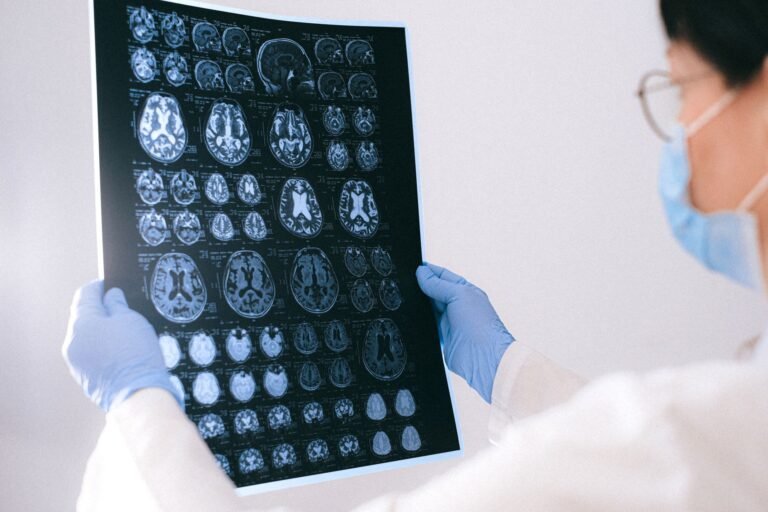
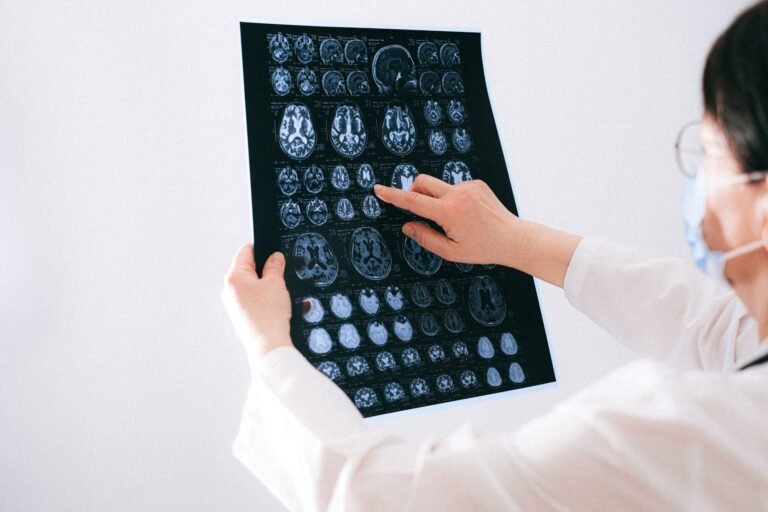
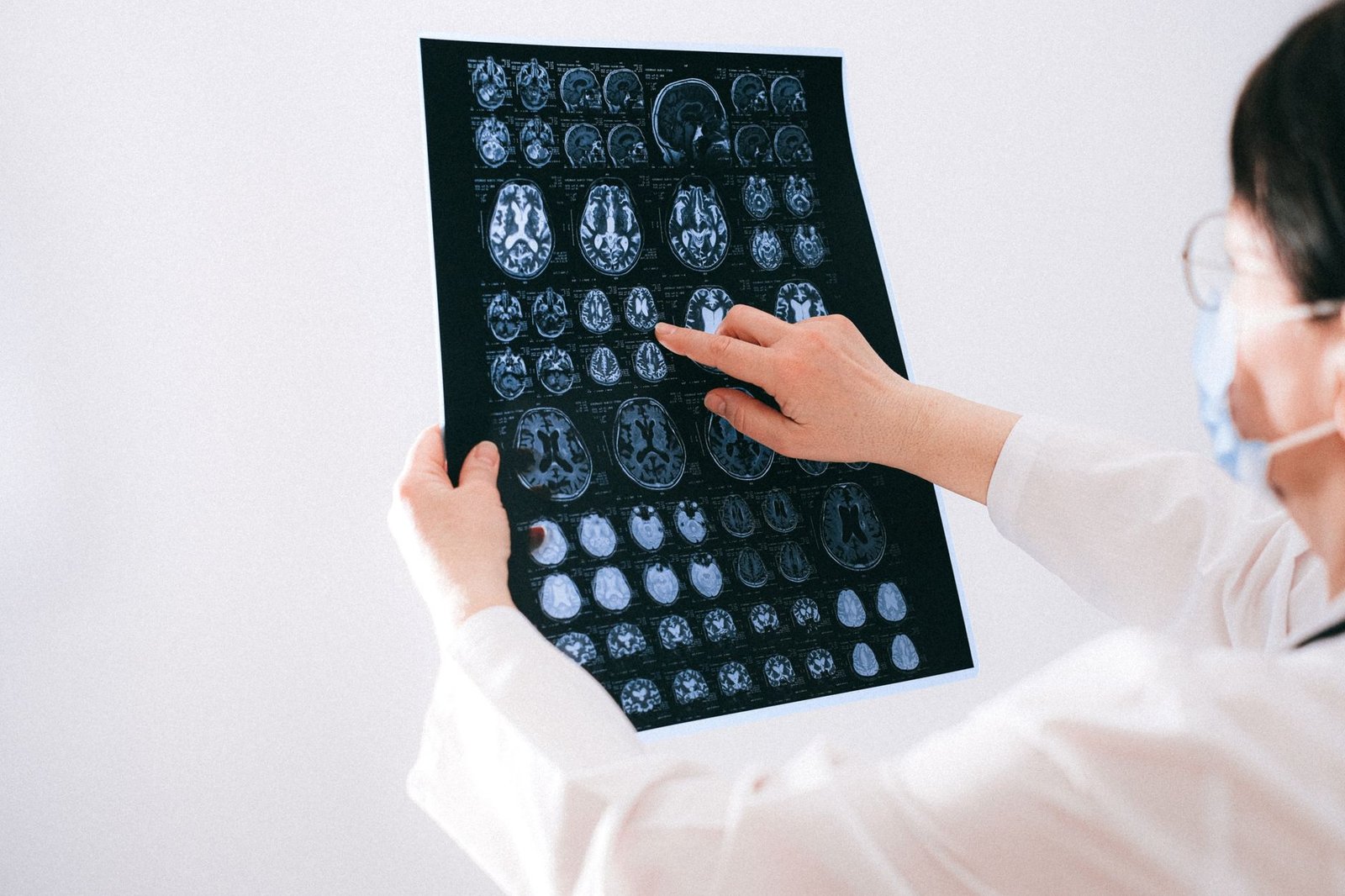
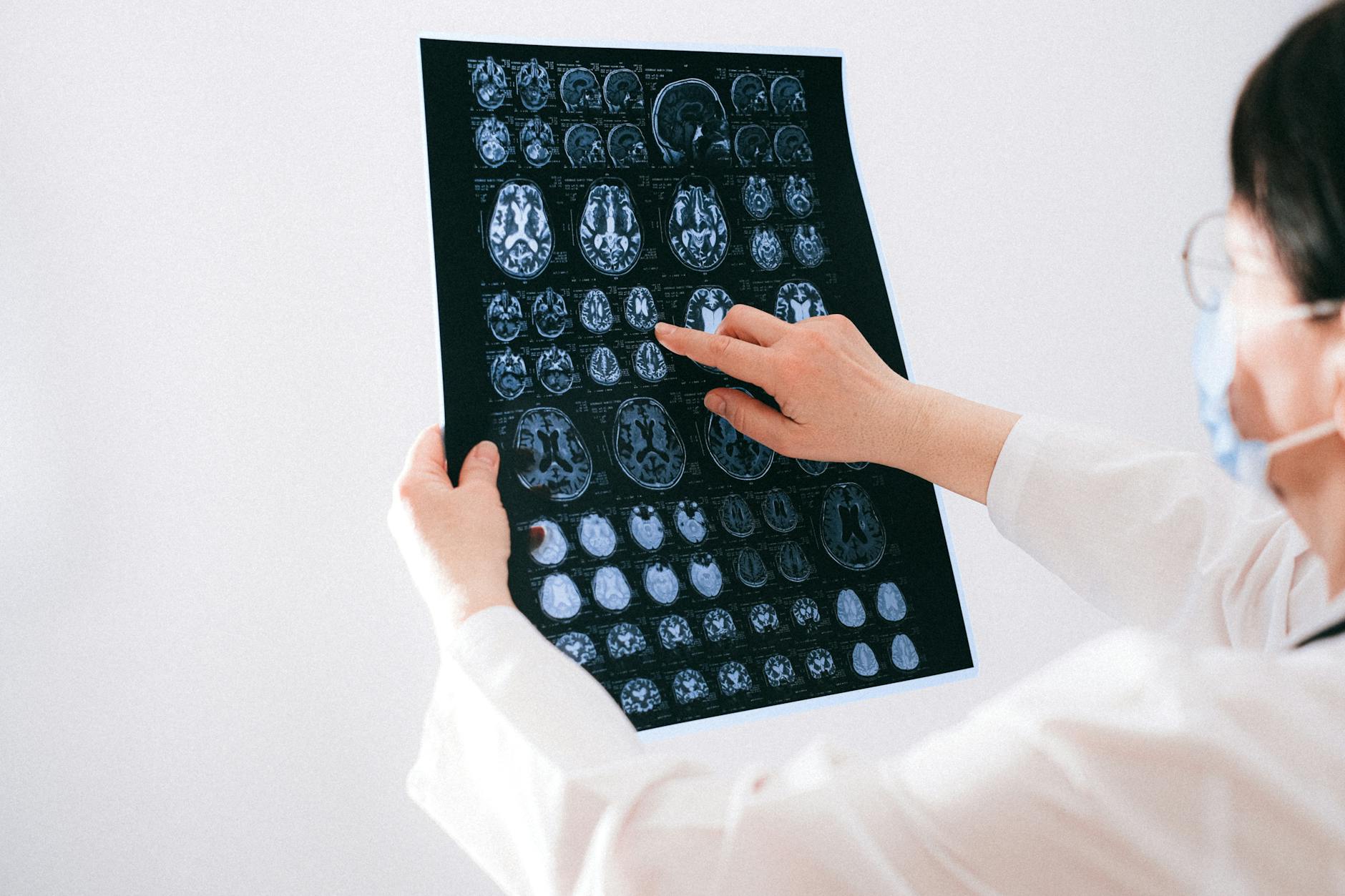
The assessment of PTE involves reviewing neuroimaging (CT and MRI), the severity of the primary injury as measured by the Glasgow Outcome Scale (GOS) or initial Glasgow Coma Scale (GCS) scores, and the presence of intracranial pathology such as cerebral contusions, intracerebral haemorrhage, or dural tears. Expert opinion should address whether the clinical phenomenology of the seizures is consistent with a focal injury related to the trauma, or whether they reflect a generalised epilepsy syndrome. Verification through longitudinal video-telemetry and accurate history-taking regarding seizure semiology is often necessary to support or refute the claimant’s position.
The Role of the Expert Witness under CPR Part 35
Under CPR Part 35, the expert’s overriding duty is to the court, which takes precedence over any duty to the instructing party. When instructing a consultant neurologist, solicitors must ensure that the expert is provided with relevant primary records, including GP notes, historic A&E records, and neurological follow-up documentation. Establishing causation requires a careful application of the ‘but for’ test; the expert must opine whether, in the absence of the index trauma, the claimant would have developed epilepsy at the same time and in the same form.
Where multiple experts are involved, the court may direct a discussion under CPR Part 35.12 to clarify areas of consensus and disagreement. This procedural step is designed to assist the court by narrowing the issues in dispute. When the court directs that evidence be given by a single joint expert under CPR Part 35.7, the experts are typically instructed by the parties in accordance with CPR Part 35.8. A single joint expert does not engage in a joint statement process with a second expert, as they represent the sole source of expert evidence on that matter. In all instances, the expert must maintain independence.
Common Pitfalls in Causation Analysis
A frequent difficulty in litigation is the failure to account for pre-existing conditions. Under the principle of ‘eggshell skull’ (as articulated in Smith v Leech Brain), a defendant generally takes the claimant as they find them. However, if the epilepsy was likely to occur regardless of the trauma, the claimant may face challenges in proving the trauma was the effective cause of the current condition. Experts should assess whether the claimant’s seizure threshold was pre-conditioned for epilepsy prior to the index incident.
- Inadequate capture of seizure frequency and semiology in contemporaneous medical records.
- Over-reliance on patient self-reporting without verifying against clinical observations or neurophysiological data.
- Failure to consider alternative diagnoses, such as syncopal events or Functional Neurological Disorder (FND), which may clinically mimic seizures.
- Ignoring neurological standards for fitness to drive, which may serve as a professional indicator of risk regarding seizure recurrence.
Practical Guidance for Solicitors
For solicitors, success in evaluating epilepsy claims relies upon the precise articulation of the expert’s remit. When drafting letters of instruction, ensure the expert is specifically asked to:
- Comment on ‘but for’ causation regarding the specific index event.
- Distinguish between the physical injury sustained and the neurological sequelae, including cognitive impairment and behavioural changes.
- Address the impact of the epilepsy on the claimant’s capacity if relevant to the case.
- Provide a prognosis that incorporates the likelihood of seizure recurrence and the potential for refractory epilepsy.
By focusing on evidence-based timelines and clear clinical diagnostics, legal professionals can better evaluate the merits of a claim. The neurology expert’s role is to provide a grounded analysis that remains compliant with the requirements of expert testimony within civil proceedings, ensuring that the evidence presented is reliable and of service to the court in determining the causation of complex neurological outcomes.
This article is for general informational purposes only and does not constitute legal or medical advice. Readers should seek appropriate professional guidance.