
Epilepsy and The DVLA: Evidential Thresholds for Fitness to Drive in Personal Injury Cases
The Medico-Legal Framework of Driving Fitness
In personal injury litigation involving neurological impairment, the question of whether a claimant was fit to drive at the time of an incident is often a central point of contention. The assessment of fitness to drive for individuals with epilepsy rests on clinical diagnosis and adherence to the DVLA’s publication, Assessing Fitness to Drive: A Guide for Medical Professionals. For the instructing solicitor, the challenge lies in distinguishing between the neurological condition, the patient’s individual risk profile, and the causal link to the accident in question.
The duty of the expert witness, as set out in CPR Part 35.3, is to provide the court with impartial, objective evidence. In cases involving seizure disorders, this requires an analysis of compliance with notification requirements, the classification of the seizure (e.g., provoked vs. unprovoked), and whether the patient was in a period of license revocation or restriction. Failure to inform the DVLA of a relevant medical condition may be considered in the context of allegations of contributory negligence, though this remains a matter for the court’s assessment of facts.
Clinical Assessment and Risk Stratification
When instructing a consultant neurologist, counsel should consider whether the expert has sufficient information to comment on the patient’s longitudinal history. A retrospective evaluation of seizure frequency and breakthrough events is essential. Clinical judgement must differentiate between epilepsy where seizure freedom is maintained and active, symptomatic conditions that may contravene driving standards. In many cases, it may be appropriate to request a specialised evaluation of cognitive and driving safety to assess whether a claimant’s neuropsychological deficits, rather than seizures alone, impaired their operation of a motor vehicle.
Consultant-level neurology expertise is necessary to address whether an event was clinically consistent with an epileptic seizure. Misclassification of transient loss of consciousness (TLOC)—such as vasovagal syncope or functional neurological disorder (FND)—can fundamentally shift the assessment of liability. Experts should consider objective clinical signs, such as witnessed accounts, post-ictal confusion, or specific neurophysiological findings, before concluding that a condition fell within the ambit of the DVLA neurological standards.
Causation and Proportionality in Personal Injury
In civil claims, causation requires an analysis of the ‘but-for’ test. The expert must address whether, in the absence of the seizure or neurological deficit, the accident would have occurred. Where a claimant has pre-existing epilepsy, the doctrine of ‘eggshell skull’ or the principle in Smith v Leech Brain may be relevant, though these are distinct from the assessment of whether the driving was negligent. The expert report should delineate whether the incident followed a sudden, unforeseeable medical emergency or a failure to adhere to known clinical restrictions on driving.
Under CPR Part 35.10, the expert’s report must set out the substance of the instructions and the evidence relied upon. It is often insufficient to simply state a patient was ‘unfit to drive’. The expert should articulate the specific standard that was relevant, the period of seizure freedom applicable to the condition, and the clinical evidence suggesting the patient was aware of these limitations.
Common Pitfalls in Expert Reporting
- Diagnostic Overreach: Treating a single isolated seizure as a diagnosis of epilepsy, which may lead to incorrect conclusions regarding the standard of fitness to drive.
- Failure to Review Records: Relying on the claimant’s subjective reporting rather than primary and secondary care records to verify the longitudinal history of seizures.
- FND vs. Epilepsy: Misinterpreting functional symptoms as epileptic seizures, which requires a nuanced understanding of diagnostic criteria and differential diagnosis.
- Scope of Instruction: Assuming an expert in epilepsy is also qualified to offer an opinion on the psychiatric implications of the accident, which may necessitate a dual-expert approach.
Practical Considerations for Instructing Parties
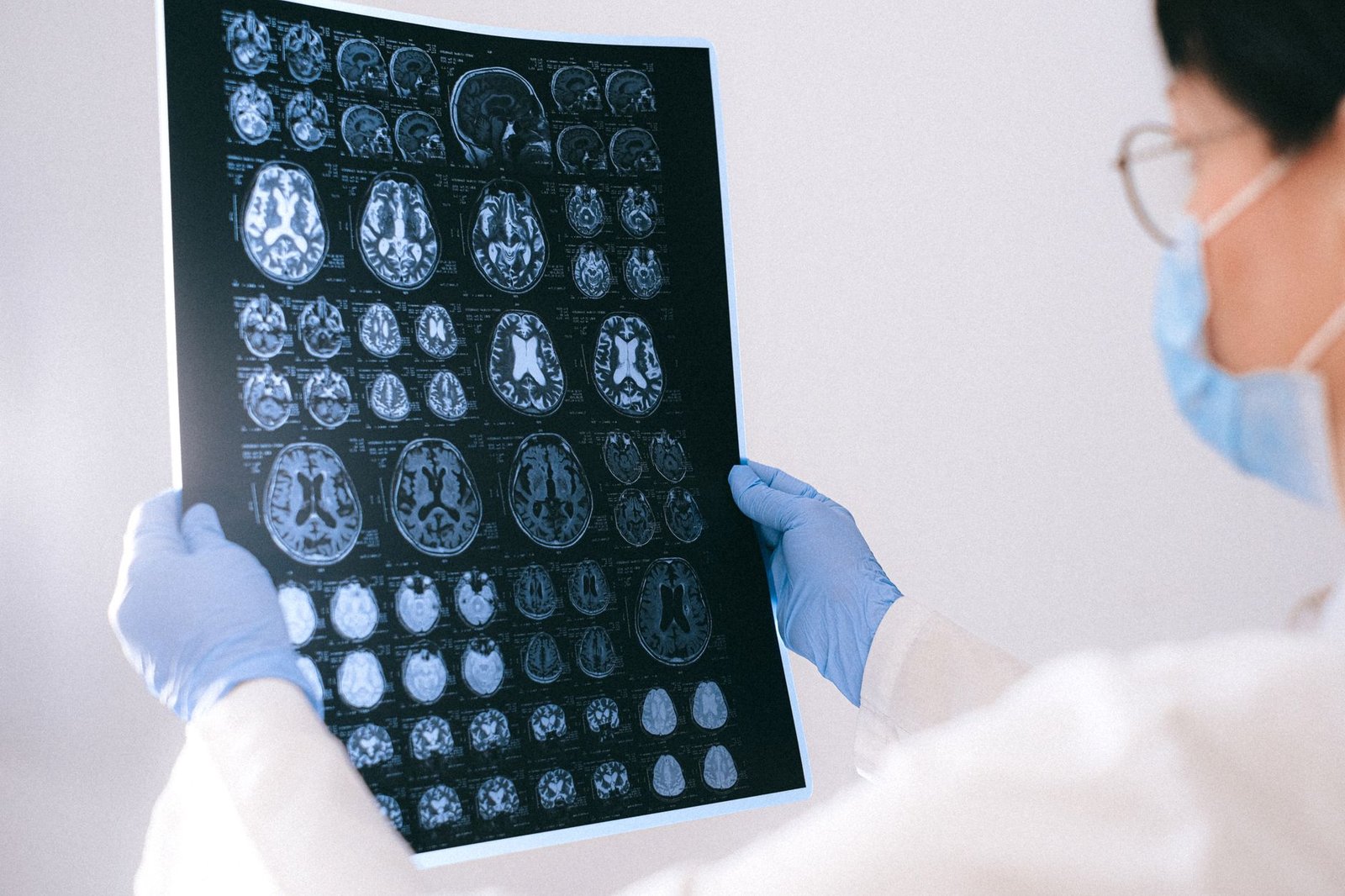
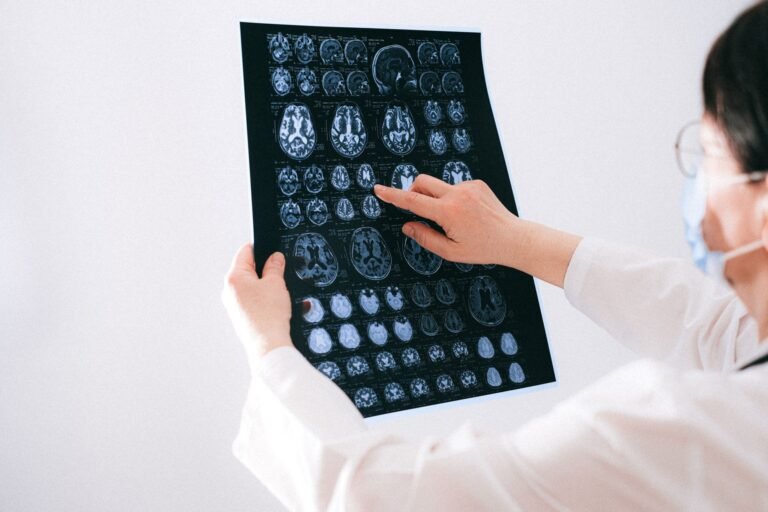
When commissioning an expert report, solicitors should provide relevant medical records, including serial EEG reports, MRI brain imaging, and any available DVLA correspondence. If a dispute arises between experts, CPR Part 35.12 provides a framework for discussion and the production of a joint statement. This process is intended to narrow the issues, such as the classification of the seizure type or the prognosis for seizure freedom. If the court directs that a single joint expert be appointed, instructions should be governed by CPR Part 35.8.
For court proceedings, the ‘functional test of capacity’ under the Mental Capacity Act 2005 may be relevant if the seizure resulted in significant cognitive impairment or if the patient’s understanding of their medical risk is in doubt. Consultants working in this space should ensure that reports remain compliant with procedural rules, providing evidence-based opinions that assist the court in its determination of breach and causation. Precise instructions focused on relevant regulatory timelines can help avoid delays in complex neurological litigation.
This article is for general informational purposes only and does not constitute legal or medical advice. Readers should seek appropriate professional guidance.


This is incredibly useful. Thanks for the clear breakdown.